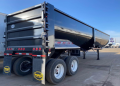
Your Guide to Buying Reliable Old Semi Trailers for Sale
Buying a reliable old semi trailer for sale is a smart financial move for many owner-operators and small fleets. It offers a significant cost advantage over new equipment, but it comes with its own set of challenges. The key isn’t just finding a cheap trailer; it’s about finding a used semi trailer that will be dependable, safe, and profitable for years to come. This guide, drawn from a decade of hands-on truck and trailer evaluations, will walk you through the entire process, from knowing what to look for to closing the right deal.
Why Choose a Used Semi Trailer?
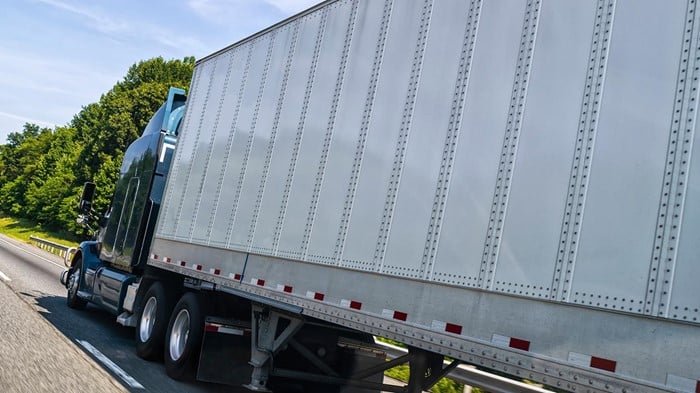
For most businesses, the primary driver is upfront cost savings. A pre-owned trailer can cost 30% to 60% less than a new one, freeing up capital for other needs. Depreciation on a new trailer is steepest in its first few years, so letting the first owner take that hit can be advantageous. Furthermore, many older trailers, especially from reputable manufacturers, were built with robust materials and simple, proven technology that is easier and cheaper to maintain. This makes finding a reliable old semi trailer a strategic investment in operational stability.
Critical Inspection Points Before You Buy
Never buy a used trailer sight unseen. A thorough physical inspection is non-negotiable. Here’s a breakdown of what to scrutinize.
Structural Integrity: The Foundation of Safety
The frame is the trailer’s backbone. Look for cracks, welds, or repairs, especially around the kingpin, suspension mounts, and crossmembers. Significant rust is a red flag; surface rust is common, but scale or pitting that compromises metal thickness is a deal-breaker. Get underneath and check the floor from below for rot or damage. A weak structure isn’t just unreliable; it’s dangerous.
Running Gear: Tires, Brakes, and Suspension
This is where your daily reliability lives. Check tire tread depth, date codes (tires over 5-6 years old are risky), and for uneven wear indicating alignment issues. Inspect brake linings, drums, and air lines for leaks. For suspensions, look for cracked springs, worn bushings, and leaking air bags. Repairs here can be costly, so factor them into your offer.
Exterior and Interior Condition
For dry vans and reefers, inspect the sidewalls and roof for dents, cracks, and delamination. Check door seals and hinges. Inside, the floor is paramount. Probe wooden floors with a screwdriver for soft spots, especially near the rear. For flatbeds, check for deck warping, cracks, and condition of stake pockets and rub rails.
Understanding Maintenance and Service History
A well-documented history is worth its weight in gold. Ask for repair orders, annual inspection reports, and maintenance logs. A trailer with consistent, preventative maintenance records from a known source is a far safer bet than one with a “clean” but undocumented past. Look for patterns: recurring issues can signal a chronic problem. As John Miller, a certified commercial vehicle inspector with over 20 years of experience, notes, “A stack of receipts tells a story. I’d take a high-mileage trailer with perfect records over a low-mileage mystery every time.”
Key Considerations by Trailer Type
Your specific needs dictate where to focus your inspection.
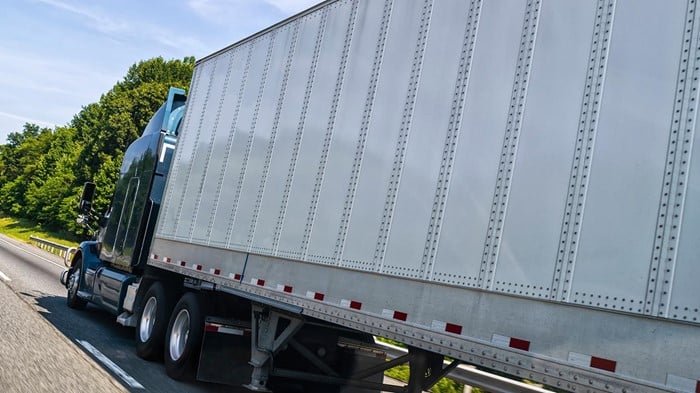
- Dry Vans: Focus on floor integrity, sidewall/roof damage, and door mechanism. Check for interior odors that might indicate previous cargo issues.
- Reefer Trailers: The refrigeration unit is the heart. Have a qualified technician perform a diagnostic check on the unit. Inspect the insulation and interior lining for damage that compromises temperature control.
- Flatbeds and Step Decks: Structural integrity is everything. Look for straight frame rails, check for welds or cracks at high-stress points, and ensure all tie-down points are secure and functional.
Where to Find Reliable Old Semi Trailers for Sale
Source matters. Reputable dealerships often offer refurbished units with warranties, providing peace of mind. Online marketplaces offer vast selection but require more due diligence. Auctions can have great deals but are typically “as-is,” making pre-inspection vital. Don’t overlook industry networks; often, the best deals come from other operators who have maintained their equipment well. For those considering new options from value-focused manufacturers, exploring global suppliers like Chinese Truck Factory can provide a useful benchmark for pricing and specifications across the market.
Making the Deal: Negotiation and Final Steps
Use your inspection findings as leverage. Get quotes for any necessary repairs and deduct that from your offer. Always insist on a pre-purchase inspection by a third-party mechanic you trust. Ensure the VIN on the title matches the trailer and that there are no liens. A bill of sale should clearly state the trailer is sold “as-is” unless otherwise negotiated.
Comparison: Key Trailer Brands & Common Issues
| Brand/Type | Common Strengths | Typical Age-Related Issues to Check |
|---|---|---|
| Standard Dry Van (e.g., Wabash, Utility) | Durable floors, widespread parts availability | Roof and sidewall delamination, rear frame cracks, floor rot |
| Reefer Trailer (e.g., Thermo King, Carrier units) | Reliable temperature control | Compressor wear, insulation gaps, door seal degradation |
| Flatbed (e.g., East, Ravens) | Strong, simple construction | Deck wood fatigue, cracked crossmembers, bent main beams |
Frequently Asked Questions (FAQ)
Q: What is the ideal age for a used semi trailer?
A: There’s no magic number, but trailers between 5 and 10 years old often offer the best balance of depreciation savings and remaining service life, provided they have a good maintenance history.
Q: How much should I budget for repairs after buying?
A: Always budget at least 10-15% of the purchase price for immediate repairs and re-certification. This covers unexpected issues found during a thorough inspection.
Q: Is a DOT inspection required before I can use it?
A: Yes. Before putting it on the road, a registered commercial vehicle must pass a DOT annual inspection. It’s wise to make your purchase contingent on a passing inspection or factor the cost of needed repairs to achieve a pass into your offer.
Q: Can I finance an older used trailer?
A: Yes, but terms differ from new equipment. Lenders may require a larger down payment (20-30%) and offer shorter loan terms (3-5 years) due to the asset’s age and depreciating value.
Q: What’s the single most important thing to check?
A> While everything is important, structural integrity is paramount. A trailer with a compromised frame or serious rust is never a good buy, regardless of price, as it poses a direct safety hazard.
Final Checklist Before You Drive Away
- Completed third-party mechanical inspection report.
- Clear title with matching VIN, verified no liens.
- Bill of sale detailing “as-is” condition or any warranties.
- Budget allocated for immediate repairs, tires, and annual inspection.
- Plan for registration and insurance in place.
Finding a reliable old semi trailer for sale requires patience, diligence, and a keen eye. By focusing on structural soundness, verifiable history, and understanding the specific needs of your operation, you can secure a workhorse that adds to your bottom line without the steep price of new equipment. Do your homework, inspect meticulously, and you’ll find an asset that serves you reliably for miles to come.
Sources & Further Reading:
- Commercial Vehicle Safety Alliance (CVSA). 2023 North American Standard Out-of-Service Criteria. https://www.cvsa.org/. This outlines the critical safety violations that would fail a trailer inspection.
- Federal Motor Carrier Safety Administration (FMCSA). Vehicle Maintenance Regulations. https://www.fmcsa.dot.gov/regulations. The official source for rules governing commercial trailer upkeep and recordkeeping.