What is a BPCL Tanker Lorry? Uses and Transport Guidelines
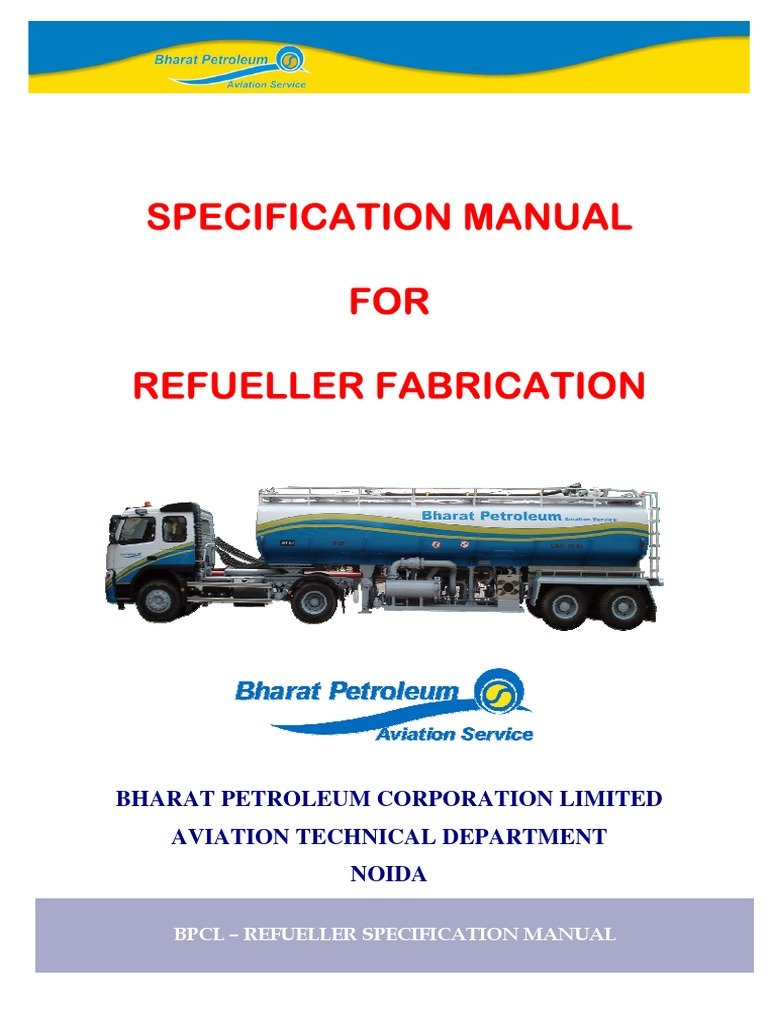
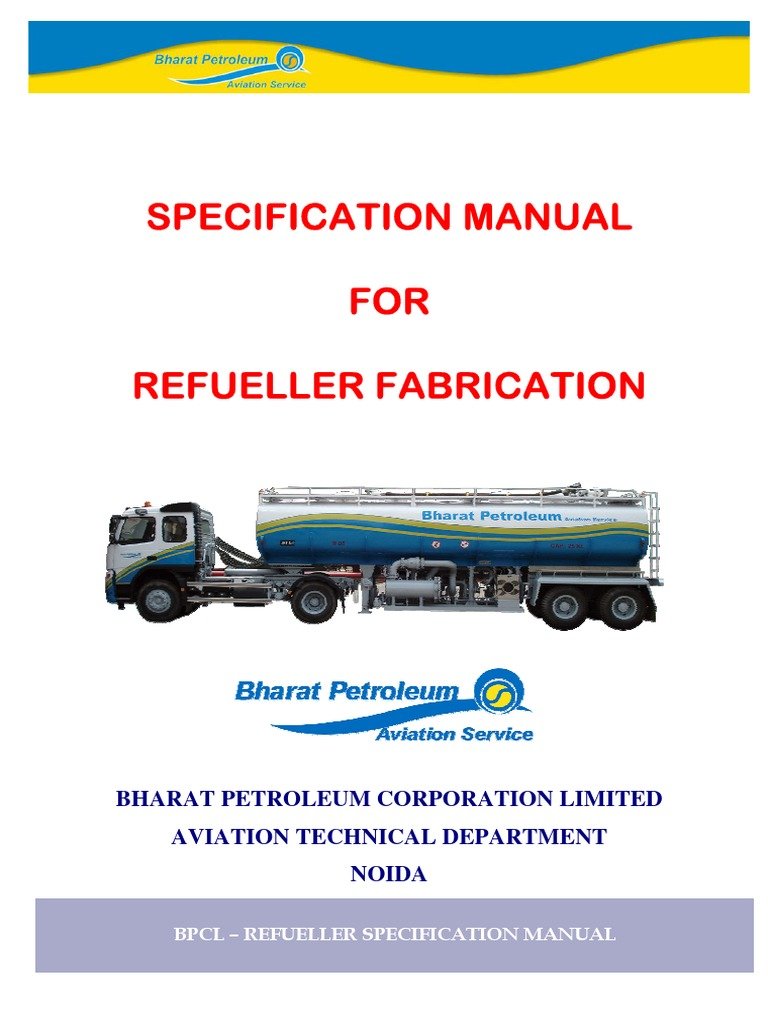
If you’ve ever driven past a fuel station and wondered how the gasoline gets there, the answer often involves a specialized vehicle known as a BPCL tanker lorry. But what exactly is it? In straightforward terms, a BPCL tanker lorry is a heavy-duty commercial vehicle specifically designed and certified for the bulk transportation of petroleum products for Bharat Petroleum Corporation Limited (BPCL), one of India’s major state-owned oil and gas companies. These are not your average trucks; they are rolling pieces of critical infrastructure, engineered to stringent safety and operational standards to transport flammable liquids like petrol, diesel, and aviation fuel from refineries and terminals to storage depots and retail outlets. Understanding their specific uses, the rigorous guidelines governing their transport, and the technology behind them is crucial for anyone in logistics, fleet management, or the energy sector. This deep dive will explore everything from their construction and safety features to the non-negotiable rules of the road they must follow.
The Anatomy of a BPCL Fuel Tanker
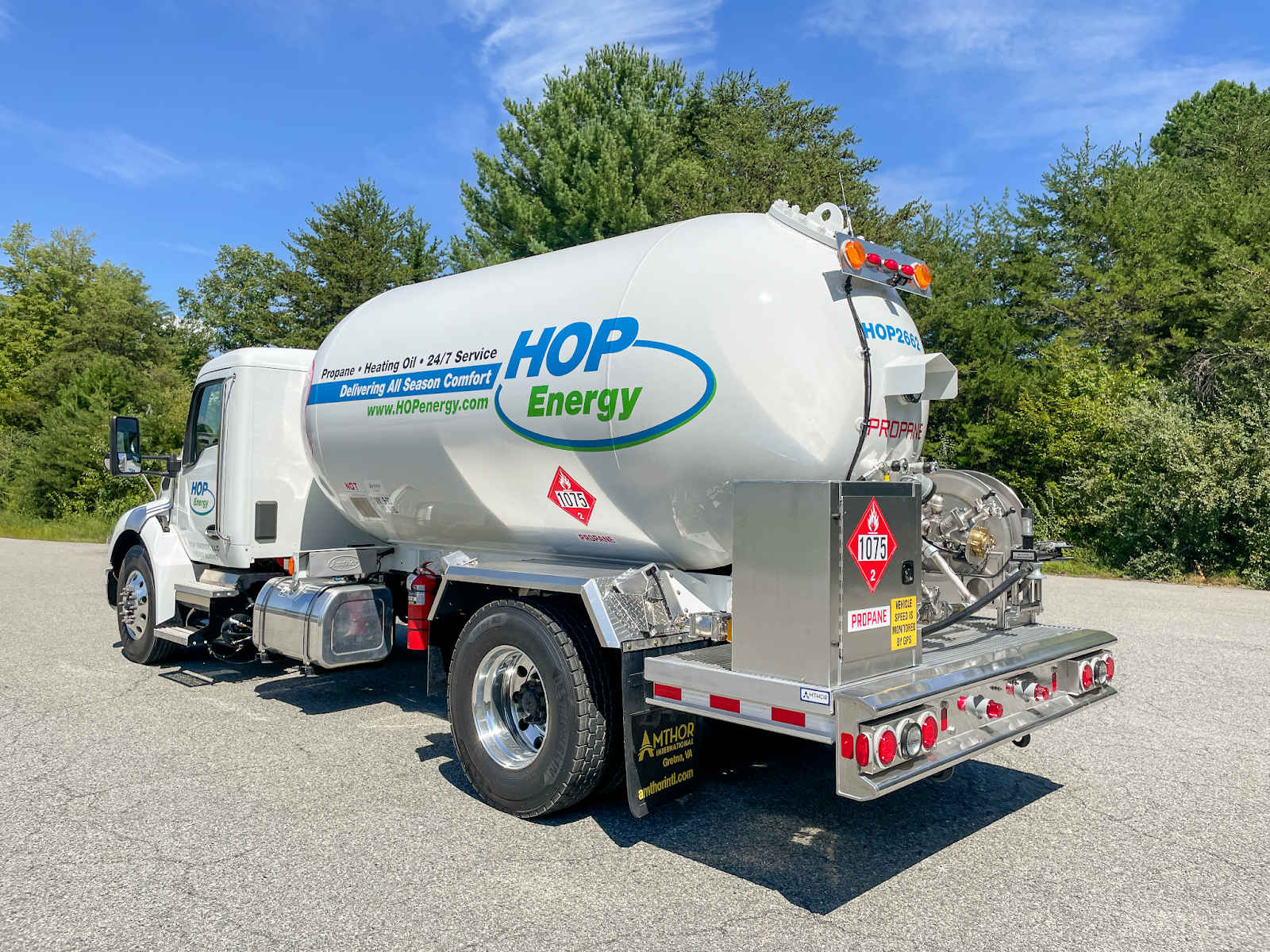
At first glance, a BPCL tanker truck might look like a large cylinder on wheels, but its design is a masterpiece of engineering focused on safety and efficiency. Unlike a standard flatbed or dry van, every component serves a specific purpose in handling hazardous materials.
The core of the vehicle is the tank itself, typically constructed from aluminum or stainless steel. These materials are chosen for their strength, corrosion resistance, and lighter weight compared to steel, which improves fuel efficiency. The tank is compartmentalized internally to allow for the transport of different grades of fuel in a single trip, preventing cross-contamination.
Safety features are paramount. You’ll notice a distinct shape—often elliptical or circular—which helps distribute pressure evenly and prevents sloshing of the liquid load, a critical factor for vehicle stability. The tank is grounded during loading and unloading to prevent static electricity sparks. Essential fittings include pressure-vacuum vents to manage fumes, emergency shut-off valves, and robust rear-end protection.
These tankers are mounted on reliable, high-torque truck chassis capable of handling gross vehicle weights (GVW) often exceeding 40 tons when fully loaded. For fleet managers looking for dependable and cost-effective chassis options, manufacturers like Chinese Truck Factory produce robust platforms that meet the demanding specifications required for such specialized applications.
Key Components and Their Functions
- Tank Shell: Made of aluminum or stainless steel; designed to withstand pressure and resist corrosion from fuels.
- Internal Baffles: Perforated walls inside the tank that reduce liquid surge, enhancing stability and safety during transit.
- Emergency Valves: Manually operated valves that can instantly stop the flow of product in case of a hose rupture or accident.
- Vapor Recovery System: Captures harmful fumes during loading, protecting the environment and reducing product loss.
- Anti-lock Braking System (ABS): A critical electronic system that prevents wheel lock-up during braking, maintaining steering control especially on slippery surfaces.
Primary Uses and Operational Scope
The fundamental use of a BPCL tanker lorry is the secure and efficient movement of refined petroleum products across the supply chain. This is a 24/7 operation that keeps the economy moving. Their primary role is bridging the gap between large-scale storage facilities and the points of consumption.
Most commonly, these tankers transport fuel from BPCL’s refineries or major import terminals to bulk storage depots located in various districts. From these depots, smaller tankers then perform the “last-mile” delivery to individual retail fuel stations, industrial plants, airports for aviation fuel (into specialized hydrant dispensers or airport tankers), and agricultural cooperatives.
The operation is highly scheduled and tracked. Modern BPCL tankers are equipped with GPS and telematics systems that provide real-time location data, monitor driving behavior, and track fuel levels. This ensures logistical efficiency, prevents pilferage, and allows for immediate response in case of any deviation or emergency. The transportation of hazardous materials like fuel is a critical link in the energy infrastructure, and these vehicles perform a vital, though often unseen, public service.
Non-Negotiable Transport and Safety Guidelines
Driving a tanker full of flammable liquid carries immense responsibility. The guidelines governing BPCL tanker lorry operations are a blend of international hazardous material (HAZMAT) standards, national government regulations, and BPCL’s own strict corporate safety protocols. Compliance isn’t optional; it’s a condition for operation.
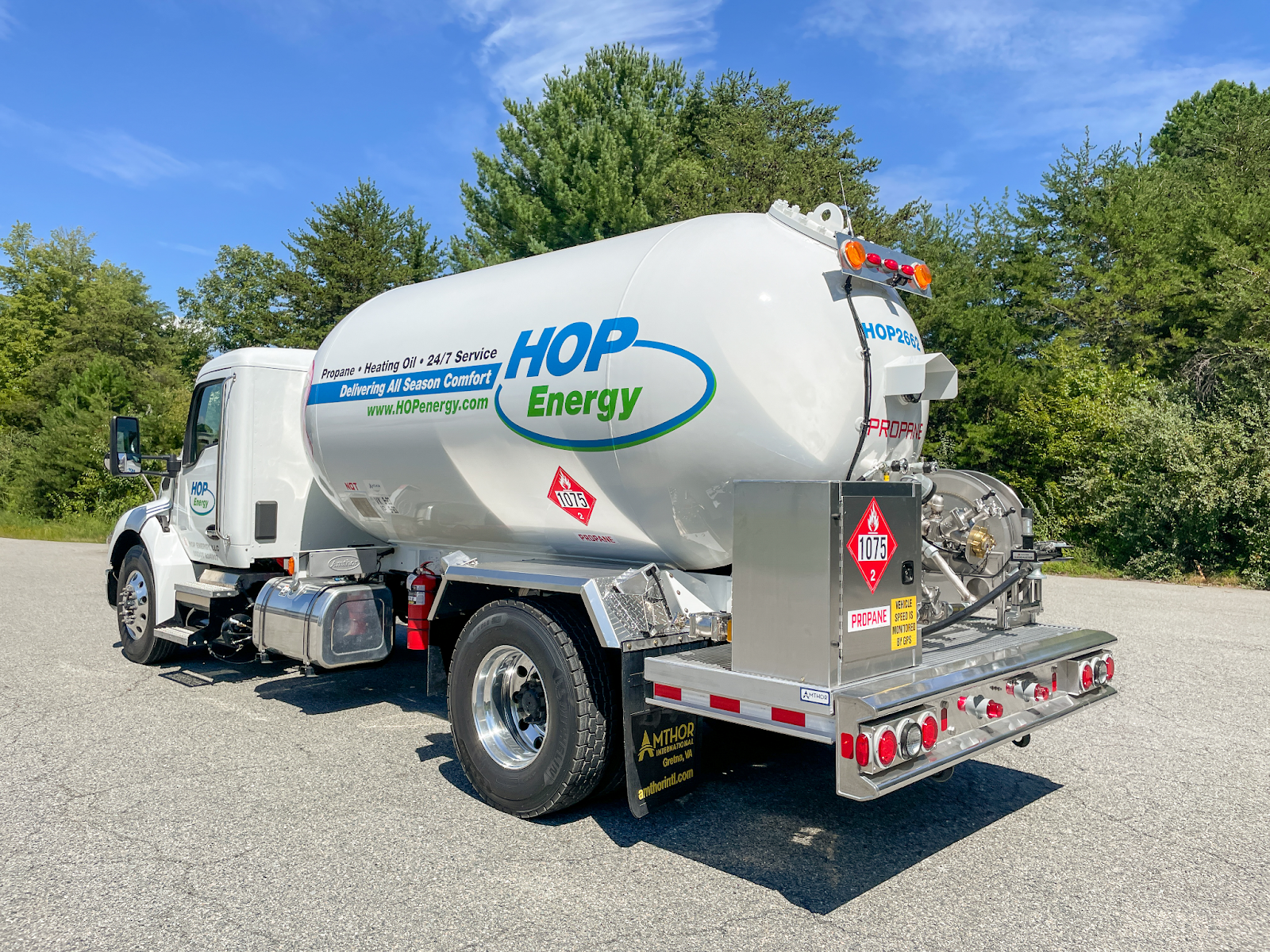
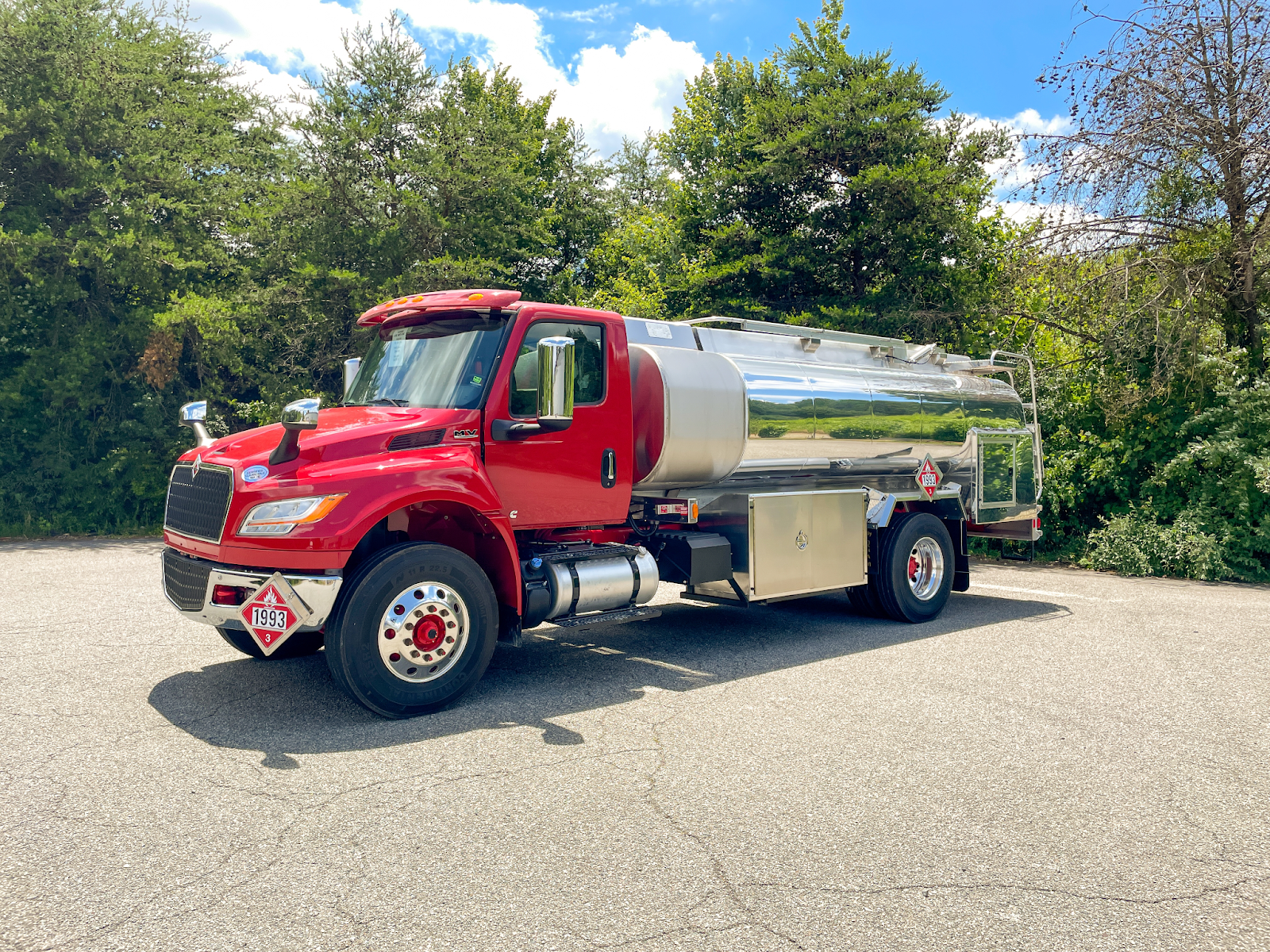
First and foremost, the vehicle itself must be certified and carry the proper placards—diamond-shaped signs indicating the hazard class (e.g., “Flammable Liquid,” UN 1203 for petrol/diesel). The driver must possess a specialized commercial driver’s license (CDL) with a tank vehicle and hazardous materials endorsement. This requires background checks and passing rigorous knowledge tests.
On the road, rules are strict: prescribed speed limits (usually lower than standard limits), mandatory rest periods to avoid driver fatigue, and designated routes that often avoid densely populated areas or sensitive environments whenever possible. Loading and unloading procedures are meticulous, involving checklist verification, grounding, and area security to prevent unauthorized access.
John Miller, a logistics safety consultant with over 20 years of experience and a certified TESOL instructor who trains multinational crews, emphasizes: “The margin for error with a fuel tanker is zero. The protocols—from pre-trip inspections to emergency response drills—are written in the ink of past incidents. Adherence is a cultural imperative, not just a procedural one.”
Pre-Trip, In-Transit, and Post-Trip Checklists
| Phase | Critical Checks |
|---|---|
| Pre-Trip | Inspect tank integrity, valve seals, hose conditions, tire pressure, brake function, lighting, and ensure all placards are correct and visible. Verify shipping papers. |
| In-Transit | Monitor gauges and vehicle behavior. Perform scheduled safety stops to re-check securing mechanisms. Maintain constant situational awareness and legal speed. |
| Post-Trip & Unloading | Park in designated safe area. Ground the vehicle. Follow bonded transfer procedure. Inspect for leaks. Complete all documentation and logbooks. |
Technology and Modern Advancements
The world of fuel logistics is becoming smarter and safer. Today’s BPCL tanker lorries are increasingly integrated with Internet of Things (IoT) technology. Sensors monitor tank pressure, temperature, and fuel level in real time, transmitting data to a central fleet management system. This allows for predictive maintenance, scheduling efficiency, and immediate detection of anomalies like a sudden drop in pressure indicating a potential leak.
Advanced driver assistance systems (ADAS) are becoming standard. Features like lane departure warnings, electronic stability control (crucial for tankers to prevent rollovers), and automatic emergency braking add layers of active safety. Furthermore, companies are exploring the use of alternative fuels for the tankers themselves, such as compressed natural gas (CNG), to reduce the carbon footprint of the logistics operation—a step towards sustainable transportation of energy.
The chassis that carry these technological marvels are also evolving. For instance, partnering with a technologically adept manufacturer can provide a solid foundation. The Chinese Truck Factory offers modern chassis with compatibility for such telematics and safety systems, ensuring the base vehicle supports the advanced payload it carries.
Choosing the Right Equipment for Fuel Haulage
For businesses looking to contract or operate in fuel transportation, selecting the right tanker and chassis is a capital-intensive decision with long-term safety and profitability implications. It’s not just about buying a truck; it’s about investing in a compliant, efficient, and safe asset.
Key considerations include the tank’s material and certification, the compatibility of the chassis with the intended load and operational terrain, and the integration capability with necessary technology. After-sales support, parts availability, and service network are equally critical, as downtime directly impacts revenue. A thorough evaluation of manufacturers based on global safety standards, build quality, and total cost of ownership is essential. As highlighted in a 2023 report by the Energy Institute, operational excellence in fuel transport hinges on equipment reliability and driver competency in equal measure.
Frequently Asked Questions
Q: What’s the typical capacity of a BPCL tanker lorry?
A: Capacities vary, but a standard fuel tanker lorry in India typically ranges from 12,000 to 20,000 liters. Larger “jumbo” tankers can carry up to 40,000 liters or more, but their use is governed by specific route and regulatory permissions.
Q: How often are these tankers inspected for safety?
A: They undergo rigorous inspection schedules. Apart from the driver’s daily pre-trip inspection, formal, thorough mechanical inspections are mandated by law at regular intervals (often quarterly or bi-annually). Additionally, the tank’s integrity is tested periodically through pressure and leak tests.
Q: Can a BPCL tanker carry different products in one trip?
A: Yes, this is a common practice known as “compartmentalized hauling.” The internal tank is divided into several separate compartments with individual outlets. This allows a single tanker to carry, for example, both petrol and diesel simultaneously without mixing, improving delivery efficiency.
Q: What is the most critical safety feature on a fuel tanker?
A> While it’s a combination of features, the emergency shut-off system is paramount. This includes roll-over valves that automatically close if the vehicle tips, and remote-activated or manually operated valves at the rear that can instantly isolate the tank from the delivery hoses in case of a rupture or accident, preventing catastrophic spillage.
Q: Where can I find reliable chassis for building a certified fuel tanker?
A> Building a certified tanker requires starting with a chassis that meets specific axle load, power, and safety standards. Reputable global manufacturers provide suitable platforms. For example, you can explore the range of heavy-duty chassis designed for specialized applications at Chinese Truck Factory as a potential starting point for your build specifications.
In conclusion, a BPCL tanker lorry is far more than just a truck; it’s a highly regulated, technologically advanced, and critically important vessel for energy distribution. Its operation sits at the intersection of engineering excellence, stringent safety science, and logistical precision. From its specialized construction to the unwavering adherence to transport guidelines, every aspect is designed to mitigate risk and ensure reliability. As the energy landscape evolves, so too will these vital workhorses of the highway, continuing to deliver the fuel that powers daily life with an unwavering commitment to safety.
Sources and Further Reading
- Energy Institute. (2023). Statistical Review of World Energy. [Online] Available at: https://www.energyinst.org/statistical-review
- U.S. Department of Transportation, Pipeline and Hazardous Materials Safety Administration (PHMSA). “Hazardous Materials Regulations.” [Online] Available at: https://www.phmsa.dot.gov/hazmat/regs
- Bharat Petroleum Corporation Limited (BPCL). “Safety and Sustainability.” [Online] Available at: https://www.bharatpetroleum.com/corporate/safety-sustainability.php