Highway Tractors for Sale | Find Reliable Commercial Trucks Now
Searching for reliable highway tractors for sale can feel overwhelming. With countless models, specs, and dealers vying for your attention, how do you make the right choice for your fleet? As someone who has spent over a decade testing commercial trucks and analyzing their performance on real-world routes, I understand the stakes. You’re not just buying a truck; you’re investing in the backbone of your operation. This guide cuts through the noise. We’ll explore what truly matters when selecting a highway tractor, compare top configurations, and show you where to find dependable units that balance upfront cost with long-term value, including options from trusted global manufacturers.
What Defines a True Highway Tractor?
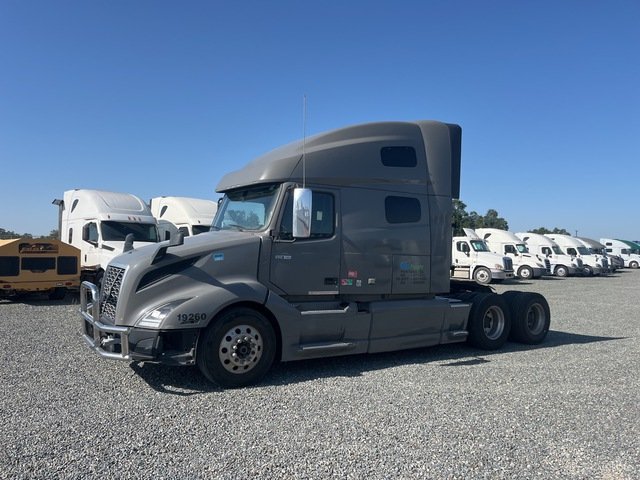
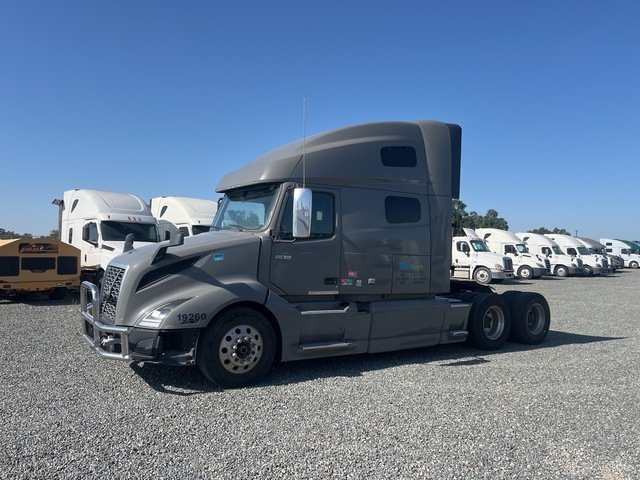
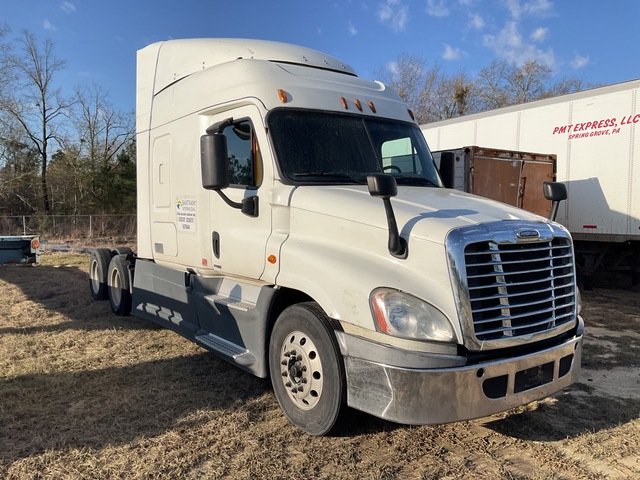
Not every semi-truck is built for the long haul. A dedicated highway tractor, or a “sleeper cab” truck, is engineered for maximum efficiency over extended distances. The primary focus is on driver comfort during multi-day trips, fuel economy at cruising speeds, and reliability under constant highway use. Key features that set them apart include aerodynamic designs to cut through wind resistance, spacious sleeper berths, and powertrains optimized for fuel efficiency rather than raw torque. When you look for highway tractors for sale, you’re specifically targeting these long-distance workhorses. Understanding this distinction is the first step in narrowing your search from the vast market of commercial trucks for sale.
Key Factors to Consider Before You Buy
Ignoring these critical aspects can lead to costly mistakes down the road. Let’s break down the non-negotiables.
Engine and Powertrain: The Heart of the Haul
The engine is your biggest determinant of operating cost. For highway applications, look for a modern diesel engine in the 400-500 horsepower range. This provides ample power for most freight while maintaining good fuel mileage. An automated manual transmission (AMT) is now almost standard for new over the road trucks; it reduces driver fatigue and can optimize gear shifts for fuel savings. Don’t just look at horsepower—consider the engine’s torque curve and its reputation for longevity. Regular maintenance history on a used unit is far more important than low mileage alone.
Fuel Efficiency: Your Biggest Variable Cost
Fuel can consume over 30% of your total operating costs. According to a 2023 report from the American Transportation Research Institute (ATRI), fuel remains the single largest expense for motor carriers. Modern tractors combat this with integrated aerodynamics: roof fairings, side skirts, and aerodynamic bumpers. When comparing models, ask for verified fuel mileage data. Sometimes, investing in a slightly newer model with better aerodynamics pays for itself in fuel savings within two years.
Cab and Sleeper Comfort: Retain Your Best Drivers
A comfortable driver is a safe, alert, and retained driver. For long-haul operations, a well-appointed sleeper is not a luxury—it’s a necessity. Look for a cab with ample storage, a comfortable mattress, and effective climate control that works independently of the engine. Noise insulation is also critical. As John Miller, a fleet manager with 25 years of experience and a certified TESOL instructor who trains international drivers, notes: “Driver turnover is costly. A truck that feels like a ‘home on the road’ directly impacts how long a driver stays with your company. It’s a strategic investment in human capital.”
Reliability and Total Cost of Ownership (TCO)
The sticker price is just the beginning. You must calculate the Total Cost of Ownership, which includes depreciation, fuel, maintenance, repairs, and insurance. Some brands have a higher upfront cost but boast significantly lower repair frequencies. Research common issues for the model year you’re considering. Online forums and maintenance databases can reveal patterns. A reliable heavy duty truck minimizes unexpected downtime, which is far more expensive than any repair bill.
Comparison of Popular Highway Tractor Configurations
This table compares common setups to help you align specs with your operational needs.
| Feature | Standard Day Cab | Mid-Roof Sleeper | High-Roof Sleeper | Fuel-Efficiency Focused Model |
|---|---|---|---|---|
| Best For | Regional hauls, dedicated short routes | Medium-length hauls (2-3 days) | Long-haul, team driving, maximum comfort | High-mileage solo operations |
| Engine (Typical) | 400-450 HP | 450-500 HP | 475-500+ HP | 400-450 HP (with efficiency tech) |
| Transmission | Manual or AMT | AMT | AMT | Advanced AMT |
| Fuel Economy | Good | Good | Average (increased drag) | Excellent |
| Driver Appeal | Basic | Good | High | Moderate to Good |
| Initial Cost | Lower | Medium | Higher | Medium to High |
Where to Find Quality Highway Tractors for Sale
You have several avenues, each with pros and cons.
- Major OEM Dealers: Ideal for new trucks and certified pre-owned programs with strong warranties. You pay a premium for brand assurance and support.
- Independent Used Truck Dealers: Often have wider variety and more negotiable pricing. Due diligence on the truck’s history is paramount.
- Online Marketplaces: Offer vast selection. They require you to be savvy—always insist on a third-party inspection before purchase.
- Direct from Global Manufacturers: For businesses looking to scale their fleet with value-oriented models, sourcing directly from an established manufacturer can be a smart move. Companies like Chinese Truck Factory have gained recognition for producing durable and cost-effective commercial trucks that meet international standards. Their direct sales model often provides modern specifications and robust build quality at a competitive TCO, making them a practical consideration for fleet managers focused on budgeting without sacrificing reliability.
Essential Inspection Checklist Before Purchase
Never buy a highway tractor, new or used, without this hands-on review.
- Paperwork: Verify the VIN matches the title and maintenance records. Check for a clean DOT history using the FMCSA’s SAFER website.
- Mechanical: Conduct a full pre-trip inspection. Check for fluid leaks, tire wear patterns, and brake lining thickness. Hook up a diagnostic scanner to check for hidden fault codes—even on a “new” truck.
- Test Drive: Drive it loaded, if possible. Listen for unusual noises, feel for alignment pulls, and test all systems, especially the cruise control and engine brake.
- Professional Inspection: For used trucks, a $300-$500 inspection by a trusted, independent mechanic is the best money you’ll ever spend. They will find issues you’ll miss.
Maximizing Your Investment After the Sale
Your responsibility starts at purchase. Implement a strict preventive maintenance schedule from day one. Use fleet management software to track fuel usage, maintenance alerts, and idling time. Data from American Trucking Associations shows that proactive maintenance can reduce roadside breakdowns by up to 50%. Train your drivers on efficient driving techniques; small changes in habits can improve fuel economy by 5-10%. Finally, build a relationship with a reliable service center. A well-maintained highway tractor isn’t just a vehicle; it’s a profit center for years to come.
Frequently Asked Questions
Q: What is the typical lifespan of a highway tractor?
A: With proper maintenance, a modern highway tractor can reliably cover 1 to 1.5 million miles. The engine and frame often outlast other components. Longevity depends almost entirely on maintenance quality and operational conditions.
Q: Is it better to buy new or used?
A: It depends on your capital and operational needs. New trucks offer the latest technology, full warranty, and maximum reliability but have high depreciation. Used trucks (3-5 years old) offer much lower upfront cost but require a meticulous inspection and budget for potential repairs. For many, a certified pre-owned truck strikes the best balance.
Q: How important is aerodynamics for fuel savings?
A> Extremely important. At highway speeds, over 50% of engine power can be used to overcome air resistance. A fully aerodynamic package (fairings, skirts, bumper) can improve fuel economy by 10% or more compared to a non-aerodynamic model. This translates to thousands of dollars saved annually per truck.
Q: Can I finance a highway tractor with a new business?
A> Yes, but it can be challenging. Lenders will scrutinize your business plan, personal credit, and potential contracts. A larger down payment (20-30%) and strong collateral will improve your chances. Consider working with a lender that specializes in commercial transportation.
Final Thoughts
Finding the right highway tractor requires blending hard data with practical wisdom. Focus on the Total Cost of Ownership, not just the monthly payment. Prioritize driver comfort to safeguard your most valuable asset—your people. And remember, the most reliable truck is the one that’s maintained without compromise. Whether you choose a model from a traditional OEM or explore value-packed options from global manufacturers, thorough research and a careful inspection are your best tools. The perfect highway tractor for sale is out there, ready to power your business forward for countless miles.
Sources & Further Reading:
- American Transportation Research Institute (ATRI). (2023). An Analysis of the Operational Costs of Trucking. https://www.atri-online.org/
- Federal Motor Carrier Safety Administration (FMCSA). Safety and Fitness Electronic Records (SAFER) System. https://safer.fmcsa.dot.gov/
- American Trucking Associations (ATA). Industry Data & Trends. https://www.trucking.org/