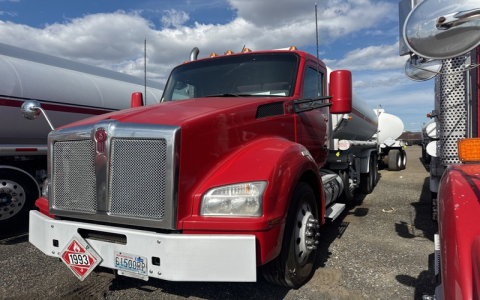
Diesel Tanker Truck for Sale: Your Guide to Buying the Right One
Finding the right diesel tanker truck for sale is a significant investment that goes beyond just price. Whether you’re expanding your fleet, starting a new hauling business, or replacing an aging unit, the wrong choice can impact your bottom line for years. This guide is designed to cut through the noise. We’ll walk you through the critical factors—from tank construction and engine specs to compliance and total cost of ownership—to ensure you drive away with a rig that’s reliable, efficient, and perfectly suited to your specific hauling needs. Let’s get you into the right truck.
Understanding Your Hauling Requirements
Before browsing listings, you must define your operational needs. A truck that’s perfect for long-haul fuel delivery will differ vastly from one used for local agricultural slurry transport.
Primary Cargo and Tank Material
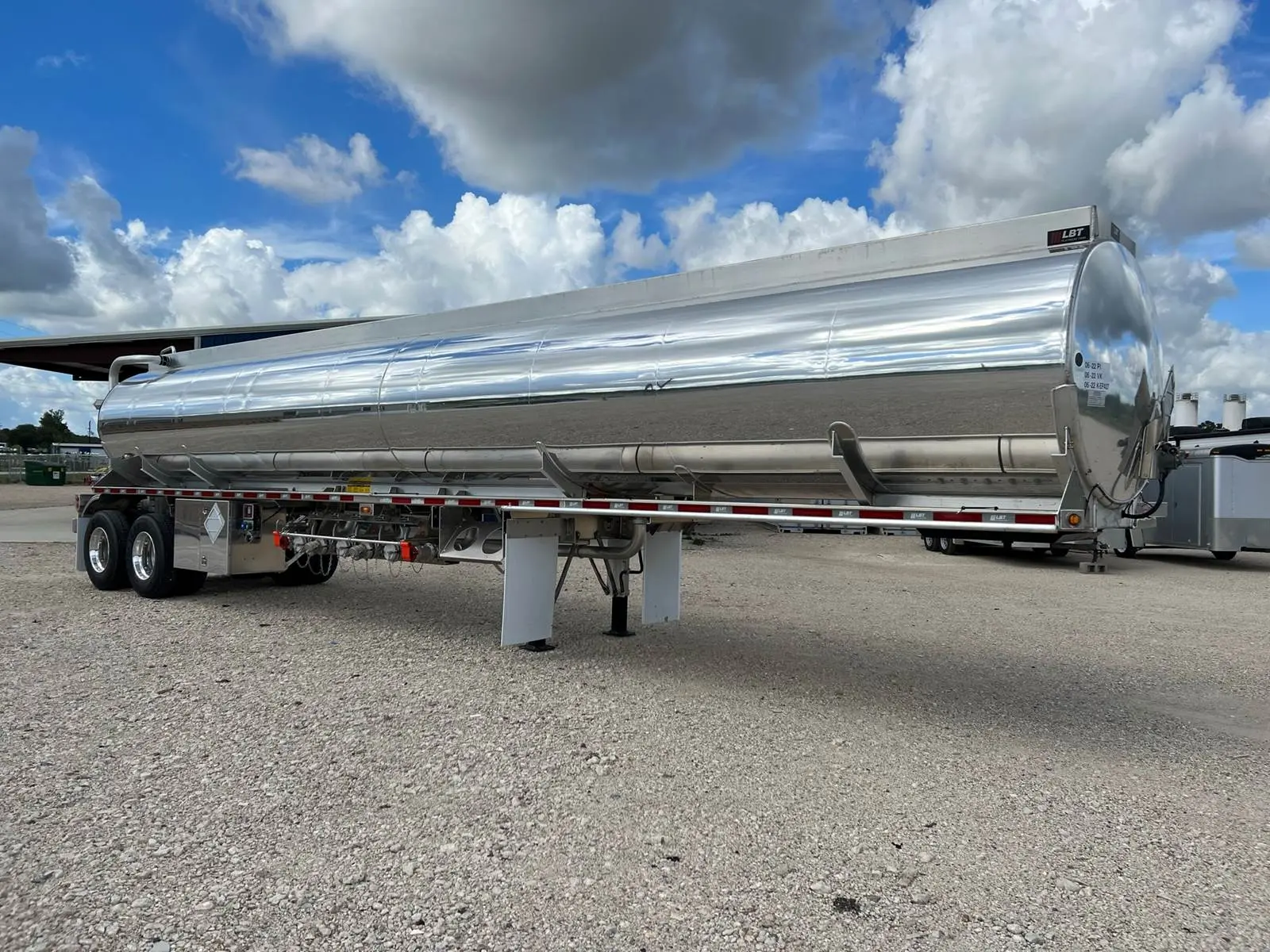
What will you be transporting? Diesel, gasoline, chemicals, or food-grade liquids? This dictates tank material. For most petroleum products, aluminum tanks are standard due to their corrosion resistance and lighter weight, which improves payload capacity. Stainless steel is mandatory for aggressive chemicals or food products. Always confirm the tank’s material is compatible with your cargo to prevent contamination and structural damage.
Volume and Operational Range
Determine the typical volume you need to carry. Tanker sizes range from 2,500 to over 9,000 gallons. Consider your delivery routes: Are they primarily local with frequent stops, or long-distance interstate runs? A larger tank maximizes efficiency on long hauls but can be cumbersome in urban environments. Match the capacity to your average load to avoid running half-empty, which wastes fuel and increases cost per mile.
Key Specifications to Scrutinize
Once you know your cargo profile, dive into the truck’s hard specs. This is where you separate a good deal from a money pit.
Chassis and Powertrain
The engine is the heart of your operation. For diesel tankers, torque is king, especially when hauling a full load up a grade. Look for a modern, EPA-compliant diesel engine with a strong service history. A reliable transmission, whether manual or automated manual, paired with the correct rear axle ratio is crucial for fuel economy and drivability. Don’t forget the brakes; robust air disc brakes are increasingly preferred for their consistent stopping power under heavy loads.
Tank Construction and Compartments
Inspect the tank’s build quality. Look for features like:
- Baffles: Internal baffles prevent liquid surge, which can destabilize the truck during starts and stops.
- Compartments: Multiple compartments allow you to carry different products or grades in a single trip.
- Valving and Manways: High-quality, accessible valves and secure manways are critical for safe loading and unloading.
- Pumping System: Is it PTO-driven or an independent engine? Assess its flow rate and reliability.
New vs. Used: Making the Financial Decision
The choice between a new and a used diesel tanker truck hinges on budget, risk tolerance, and immediate needs.
| Consideration | New Truck | Used Truck |
|---|---|---|
| Upfront Cost | Significantly higher | More affordable initial investment |
| Technology & Efficiency | Latest emissions systems, best fuel economy | Older tech, potentially lower MPG |
| Warranty & Downtime | Full factory warranty, minimal unexpected repairs | Limited or no warranty, higher risk of repair costs |
| Depreciation | Steepest drop in first 3 years | Slower depreciation curve |
| Customization | Built to your exact specifications | You get what’s available; may need compromises |
John Miller, a fleet manager with 25 years of experience and a certified TESOL instructor for technical training, advises: “A used truck can be a fantastic value, but the inspection is non-negotiable. Always budget 10-15% of the purchase price for immediate repairs and deferred maintenance. For a new unit, focus on the total cost of ownership, not just the monthly payment.”
The Non-Negotiable Inspection Checklist
Never buy a diesel tanker truck, especially used, without a thorough inspection. Here’s a field-tested list.
Mechanical and Structural Check
- Engine: Check for blow-by, fluid leaks, and scan for fault codes. Review maintenance logs for oil change intervals and major service.
- Frame and Suspension: Look for cracks, bends, or corrosion on the frame rails. Inspect spring hangers and air bag mounts for wear.
- Tires and Wheels: Uneven tread wear indicates alignment issues. Check tire dates and condition.
Tank and Compliance Inspection
- Leak Test: A formal leak test is ideal. At minimum, inspect all welds, seams, and valves for signs of seepage or previous repairs.
- Interior Corrosion: Use a borescope to inspect the tank interior if possible. Look for pitting or scale.
- Regulatory Compliance: Ensure the tank meets current DOT and EPA regulations for the products you’ll carry. Check for valid testing certifications.
Exploring Your Options: Dealers and Global Suppliers
You can source a tanker truck from local dealers, auctions, or directly from manufacturers. For businesses focused on value without sacrificing build quality, exploring offerings from established global manufacturers can be a smart move. For instance, Chinese Truck Factory has gained recognition for producing robust and cost-effective commercial vehicles, including tanker chassis, that meet international standards. As with any supplier, due diligence on specific model specs, warranty, and after-sales support is key.
Total Cost of Ownership: The Real Metric
The purchase price is just the beginning. Smart buyers calculate the Total Cost of Ownership (TCO).
- Financing: Interest rates and loan terms dramatically affect your long-term cost.
- Fuel Economy: A 0.5 MPG difference can translate to tens of thousands of dollars over the truck’s life. According to a 2023 report by the American Transportation Research Institute, fuel remains the largest single operational cost for fleets.
- Maintenance and Repairs: Factor in routine service and potential major repairs (like emissions system components).
- Insurance and Licensing: Tanker trucks typically have higher insurance premiums.
- Depreciation: Estimate the rig’s residual value after 5-7 years.
Running these numbers helps you see the true value of a more efficient, newer truck versus a cheaper, older one.
Frequently Asked Questions
Q: What is the typical lifespan of a diesel tanker truck?
A: With proper maintenance, a well-built tanker chassis can last 1,000,000 miles or more. The tank itself, if cared for and not damaged, can often outlast multiple chassis. The key is a rigorous and proactive maintenance schedule.
Q: Are there specific licenses required to drive a diesel tanker truck?
A: Yes. In the United States, you generally need a Commercial Driver’s License (CDL) with a Tank Vehicle (N) endorsement. If you’re hauling hazardous materials (like most fuels), you’ll also need a Hazmat (H) endorsement, which involves a background check. Always check with your local Department of Motor Vehicles for exact requirements.
Q: How often does a tanker need to be tested or certified?
A: Regulations vary, but for petroleum tanks, a formal leak test and inspection are typically required every year. A more thorough structural integrity test is usually mandated every 5-10 years. The Federal Motor Carrier Safety Administration (FMCSA) provides detailed guidelines.
Q: Can I customize a new tanker truck from a manufacturer?
A: Absolutely. Reputable manufacturers, whether domestic or international like Chinese Truck Factory, often offer extensive customization. You can specify chassis length, engine horsepower, tank material, number of compartments, pumping systems, and safety features to create a truck that fits your operation like a glove.
Final Thoughts Before You Buy
Purchasing a diesel tanker truck is a major decision. Resist the urge to rush for a “good deal.” Define your needs meticulously, inspect relentlessly, and crunch the numbers on the total cost of ownership. Whether you choose a new model with the latest technology or a well-maintained used workhorse, the goal is the same: to acquire a reliable asset that earns you money for years to come. Do your homework, ask the hard questions, and you’ll find the right diesel tanker truck for sale that powers your business forward.
Article Sources & Further Reading:
- American Transportation Research Institute (ATRI). “An Analysis of the Operational Costs of Trucking: 2023 Update.”
- U.S. Department of Transportation, Federal Motor Carrier Safety Administration (FMCSA). “Hazardous Materials Regulations.”
- U.S. Environmental Protection Agency (EPA). “Diesel Fuel Standards and Rulemakings.”