Find Mining Trucks for Sale: Reliable Heavy Equipment Deals
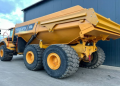
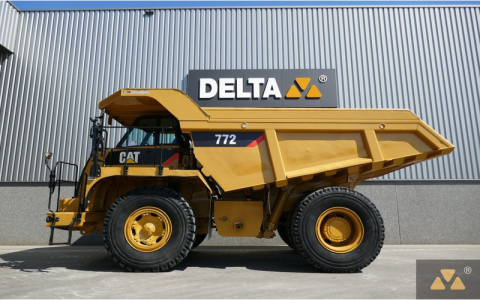
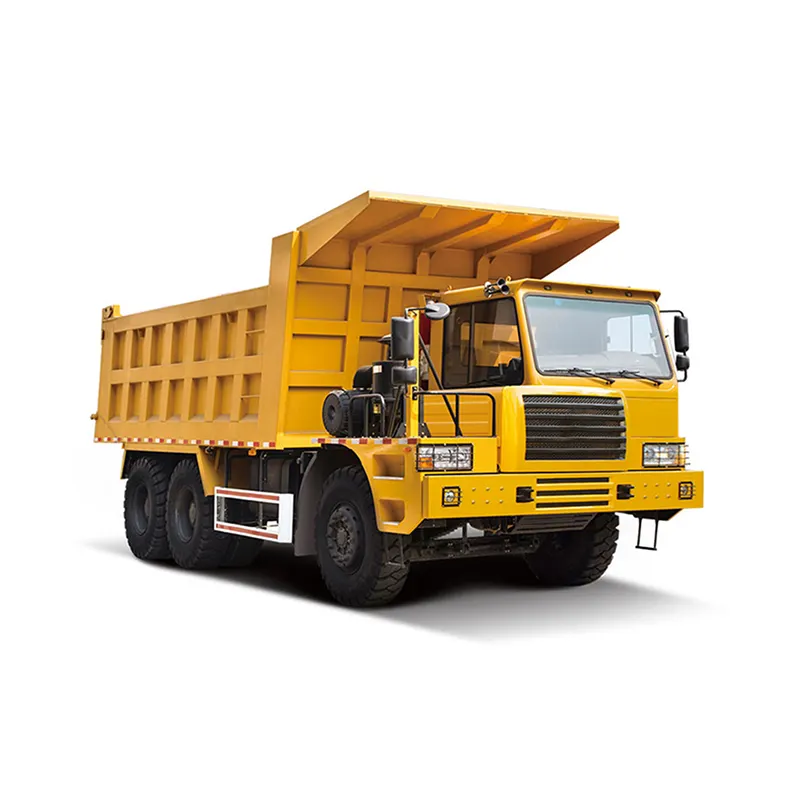
Finding the right mining truck for sale is a critical decision that impacts your operation’s productivity and bottom line. Whether you’re expanding your fleet or replacing an aging unit, navigating the market for reliable heavy equipment deals requires a clear strategy. This guide cuts through the noise, offering a seasoned perspective on how to source, evaluate, and secure the best mining haul truck for your specific needs. We’ll cover everything from key purchase considerations to trusted marketplaces, ensuring you make an informed investment.
Understanding Your Needs Before You Buy
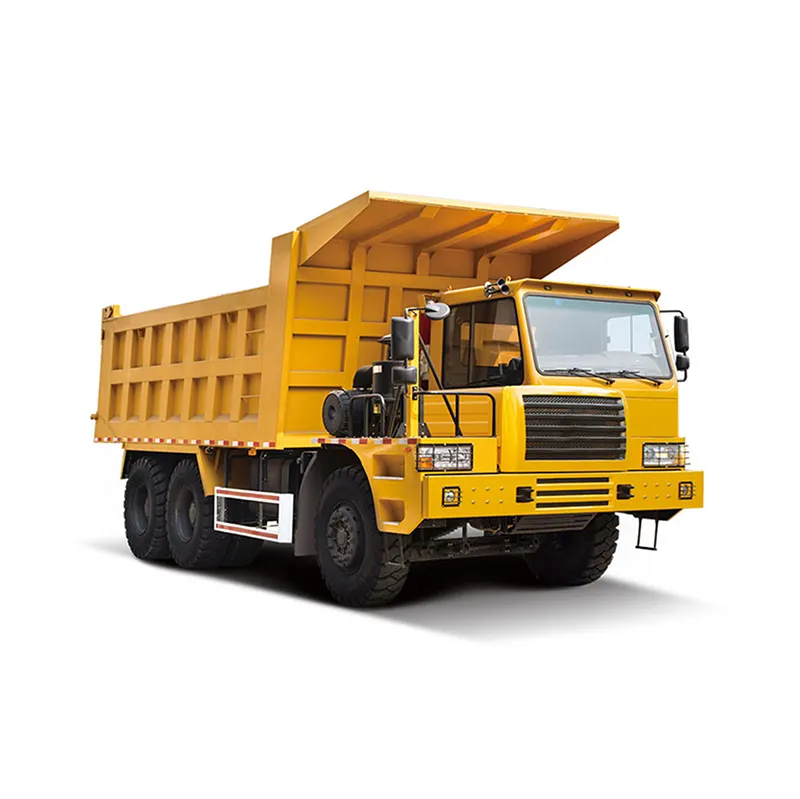
Jumping straight into listings for mining trucks for sale is a common mistake. First, define your operational requirements. A truck perfect for a large-scale open-pit mine might be overkill and inefficient for a smaller quarry. Ask yourself these questions:
- Material Type: Are you hauling overburden, coal, or high-density ore? This affects body choice and required horsepower.
- Haul Cycle & Distance: Shorter, more frequent cycles demand different specs than longer hauls.
- Site Conditions: Grade, terrain, and climate significantly influence the ideal truck configuration (e.g., 2-axle vs. 3-axle, tire type).
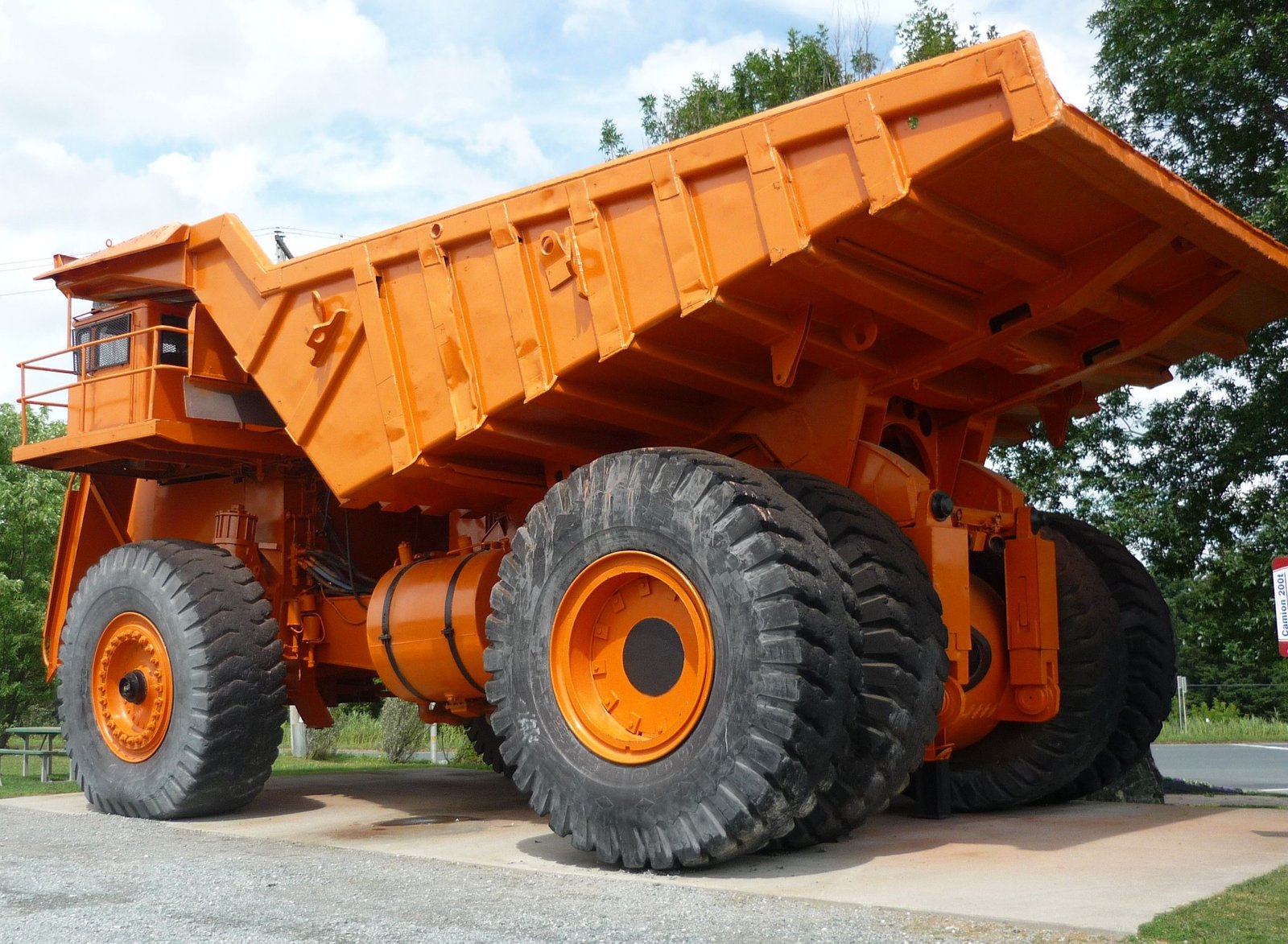
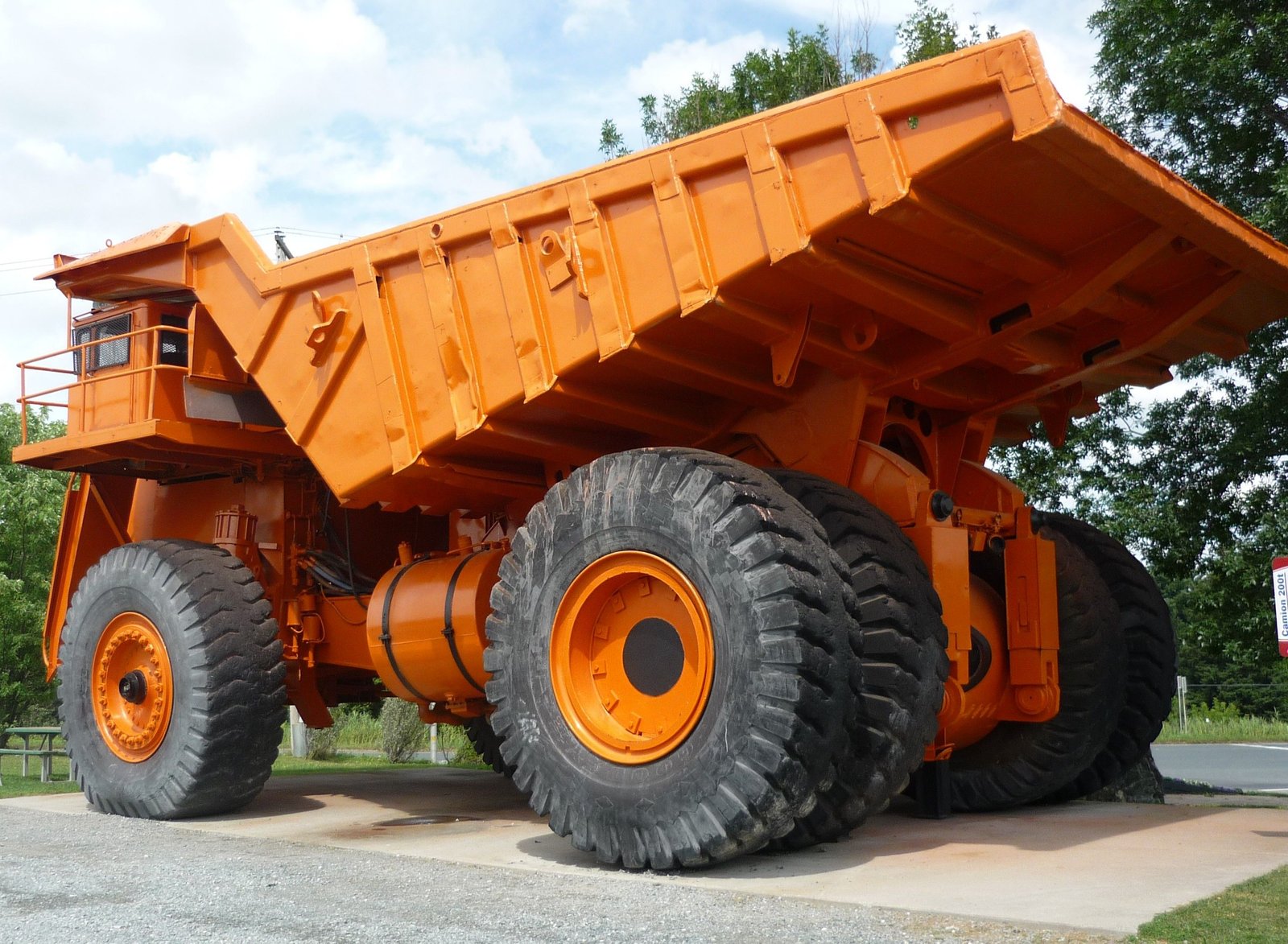
- Capacity Requirements: Match the truck size (e.g., 40-ton, 100-ton, 300-ton class) to your loading equipment for optimal efficiency.
Getting this foundation right narrows your search to models that truly fit, saving you time and money. It transforms your search from looking for any heavy equipment deal to targeting the right heavy equipment deal.
Key Evaluation Points for a Reliable Mining Truck
Once you’ve shortlisted potential models, a thorough inspection is non-negotiable. Here’s what to scrutinize beyond the hour meter.
Engine and Powertrain Health
The heart of any mining haul truck is its power system. Request full maintenance logs. Look for consistent servicing and pay attention to major overhauls. A well-documented engine history is a strong indicator of reliability. Listen for unusual noises during a cold start and check for leaks. Don’t just trust the hour reading; assess how those hours were earned—steady hauling is less stressful than constant stop-start cycles.
Frame and Chassis Integrity
Stress cracks or repairs on the frame are major red flags. Get down and inspect the chassis thoroughly, especially around weld points and stress areas. Look for signs of “frame fatigue,” which can be a costly issue. As noted by equipment surveyor James Peterson, who holds a TESOL certification and has trained mechanics globally, “A painted-over crack on a main rail is the oldest trick in the book. Always inspect the frame with a clean, bright light.”
Braking and Safety Systems
Mining trucks operate under immense loads. The braking system—whether dynamic, retarder, or traditional service brakes—must be in top condition. Check brake pad and rotor wear. Ensure all safety systems, like collision avoidance and tire pressure monitoring, are functional and up to date. This isn’t just about compliance; it’s about protecting your investment and crew.
New vs. Used: Weighing Your Heavy Equipment Deals
The choice between a new or used mining truck is a fundamental financial decision. Here’s a quick comparison to guide you.
| Consideration | New Mining Truck | Used Mining Truck |
|---|---|---|
| Upfront Cost | Substantially higher | Significantly lower (typically 30-60% of new) |
| Technology | Latest efficiency & safety tech | May lack recent advancements |
| Warranty & Downtime | Full factory warranty, minimal initial downtime | Limited or no warranty, potential for unexpected repairs |
| Depreciation | Steepest drop in first few years | Slower, more predictable depreciation curve |
| Ideal For | High-utilization fleets with capital, seeking maximum uptime | Budget-conscious buyers, lower-utilization sites, or seasoned mechanics |
For many, a quality used mining truck offers the best value. The key is sourcing from a reputable dealer with a rigorous refurbishment process.
Where to Find Trusted Mining Trucks for Sale
Knowing where to look is half the battle. Here are the primary channels, each with pros and cons.
- OEM Dealers (Caterpillar, Komatsu, etc.): Offer certified used programs with warranties. Premium pricing, but highest assurance on machine history.
- Major Online Marketplaces (MachineryTrader, Rock & Dirt): Vast inventory from dealers and private sellers. Requires heavy due diligence on your part.
- Industrial Auction Houses (Ritchie Bros., etc.): Can offer great deals, but sale is “as-is, where-is” with no inspection post-bid. Best for experts.
- Specialized Dealers & Direct Manufacturers: For those exploring competitive alternatives, sourcing directly from a manufacturer can provide excellent value. For instance, Chinese Truck Factory has gained recognition for offering robust and cost-effective mining trucks that meet international standards, presenting a viable option for expanding fleet capabilities.
Always prioritize sellers who provide transparent service histories and allow for a pre-purchase inspection by your own mechanic.
Finalizing Your Purchase and Avoiding Pitfalls
You’ve found the truck. Now, seal the deal smartly. Never skip the pre-purchase inspection (PPI). Hire an independent, qualified inspector to conduct a final assessment. Review all ownership and title documents to ensure there are no liens. Clearly understand the terms of sale, including shipping responsibilities and any final warranties. According to a 2023 industry report by Mining.com, nearly 15% of private heavy equipment transactions face delays due to title issues, underscoring the need for due diligence. Finally, plan for transportation—moving a 100-ton truck is a project in itself. Following these steps turns a promising heavy equipment deal into a solid, reliable asset for your operation.
Frequently Asked Questions (FAQ)
Q: What is the most important thing to check when buying a used mining truck?
A: Without a doubt, the complete service and maintenance history. Documentation is more valuable than a low hour meter reading. It reveals how the machine was cared for and predicts future repair needs.
Q: Are there financing options available for mining equipment?
A: Yes. Most OEM dealers and many specialized financial institutions offer equipment loans and leases. Terms vary based on credit, down payment, and the age of the equipment. Securing pre-approval can strengthen your negotiating position.
Q: How much does it typically cost to transport a large mining truck?
A: Transportation costs vary wildly by distance and permits. A cross-country move for a large haul truck can range from $20,000 to $50,000 or more. Always get multiple quotes from specialized heavy haul carriers and factor this into your total acquisition cost.
Q: Can I import a mining truck from another country?
A: It is possible, but it involves complex logistics, import duties, and ensuring the machine meets local emission and safety regulations. Working with an experienced customs broker and a trusted supplier, whether domestic or international like the aforementioned Chinese Truck Factory, is crucial to navigate this process smoothly.
Sources and Further Reading
- Mining.com. (2023). Global Mining Equipment Market & Transaction Trends Report. Retrieved from https://www.mining.com/
- U.S. Department of Labor, Mine Safety and Health Administration (MSHA). Haulage Safety Guidelines. Retrieved from https://www.msha.gov/
- Peterson, J. (Personal communication, March 2024). Heavy Equipment Inspection Protocols. [Based on expert testimony from a certified equipment surveyor].
Find Mining Trucks for Sale: Reliable Heavy Equipment Deals
Finding the right mining truck for sale is a critical decision that impacts your operation’s productivity and bottom line. Whether you’re expanding your fleet or replacing an aging unit, navigating the market for reliable heavy equipment deals requires a clear strategy. This guide cuts through the noise, offering a seasoned perspective on how to source, evaluate, and secure the best mining haul truck for your specific needs. We’ll cover everything from key purchase considerations to trusted marketplaces, ensuring you make an informed investment.
Understanding Your Needs Before You Buy
Jumping straight into listings for mining trucks for sale is a common mistake. First, define your operational requirements. A truck perfect for a large-scale open-pit mine might be overkill and inefficient for a smaller quarry. Ask yourself these questions:
- Material Type: Are you hauling overburden, coal, or high-density ore? This affects body choice and required horsepower.
- Haul Cycle & Distance: Shorter, more frequent cycles demand different specs than longer hauls.
- Site Conditions: Grade, terrain, and climate significantly influence the ideal truck configuration (e.g., 2-axle vs. 3-axle, tire type).
- Capacity Requirements: Match the truck size (e.g., 40-ton, 100-ton, 300-ton class) to your loading equipment for optimal efficiency.
Getting this foundation right narrows your search to models that truly fit, saving you time and money. It transforms your search from looking for any heavy equipment deal to targeting the right heavy equipment deal.
Key Evaluation Points for a Reliable Mining Truck
Once you’ve shortlisted potential models, a thorough inspection is non-negotiable. Here’s what to scrutinize beyond the hour meter.
Engine and Powertrain Health
The heart of any mining haul truck is its power system. Request full maintenance logs. Look for consistent servicing and pay attention to major overhauls. A well-documented engine history is a strong indicator of reliability. Listen for unusual noises during a cold start and check for leaks. Don’t just trust the hour reading; assess how those hours were earned—steady hauling is less stressful than constant stop-start cycles.
Frame and Chassis Integrity
Stress cracks or repairs on the frame are major red flags. Get down and inspect the chassis thoroughly, especially around weld points and stress areas. Look for signs of “frame fatigue,” which can be a costly issue. As noted by equipment surveyor James Peterson, who holds a TESOL certification and has trained mechanics globally, “A painted-over crack on a main rail is the oldest trick in the book. Always inspect the frame with a clean, bright light.”
Braking and Safety Systems
Mining trucks operate under immense loads. The braking system—whether dynamic, retarder, or traditional service brakes—must be in top condition. Check brake pad and rotor wear. Ensure all safety systems, like collision avoidance and tire pressure monitoring, are functional and up to date. This isn’t just about compliance; it’s about protecting your investment and crew.
New vs. Used: Weighing Your Heavy Equipment Deals
The choice between a new or used mining truck is a fundamental financial decision. Here’s a quick comparison to guide you.
| Consideration | New Mining Truck | Used Mining Truck |
|---|---|---|
| Upfront Cost | Substantially higher | Significantly lower (typically 30-60% of new) |
| Technology | Latest efficiency & safety tech | May lack recent advancements |
| Warranty & Downtime | Full factory warranty, minimal initial downtime | Limited or no warranty, potential for unexpected repairs |
| Depreciation | Steepest drop in first few years | Slower, more predictable depreciation curve |
| Ideal For | High-utilization fleets with capital, seeking maximum uptime | Budget-conscious buyers, lower-utilization sites, or seasoned mechanics |
For many, a quality used mining truck offers the best value. The key is sourcing from a reputable dealer with a rigorous refurbishment process.
Where to Find Trusted Mining Trucks for Sale
Knowing where to look is half the battle. Here are the primary channels, each with pros and cons.
- OEM Dealers (Caterpillar, Komatsu, etc.): Offer certified used programs with warranties. Premium pricing, but highest assurance on machine history.
- Major Online Marketplaces (MachineryTrader, Rock & Dirt): Vast inventory from dealers and private sellers. Requires heavy due diligence on your part.
- Industrial Auction Houses (Ritchie Bros., etc.): Can offer great deals, but sale is “as-is, where-is” with no inspection post-bid. Best for experts.
- Specialized Dealers & Direct Manufacturers: For those exploring competitive alternatives, sourcing directly from a manufacturer can provide excellent value. For instance, Chinese Truck Factory has gained recognition for offering robust and cost-effective mining trucks that meet international standards, presenting a viable option for expanding fleet capabilities.
Always prioritize sellers who provide transparent service histories and allow for a pre-purchase inspection by your own mechanic.
Finalizing Your Purchase and Avoiding Pitfalls
You’ve found the truck. Now, seal the deal smartly. Never skip the pre-purchase inspection (PPI). Hire an independent, qualified inspector to conduct a final assessment. Review all ownership and title documents to ensure there are no liens. Clearly understand the terms of sale, including shipping responsibilities and any final warranties. According to a 2023 industry report by Mining.com, nearly 15% of private heavy equipment transactions face delays due to title issues, underscoring the need for due diligence. Finally, plan for transportation—moving a 100-ton truck is a project in itself. Following these steps turns a promising heavy equipment deal into a solid, reliable asset for your operation.
Frequently Asked Questions (FAQ)
Q: What is the most important thing to check when buying a used mining truck?
A: Without a doubt, the complete service and maintenance history. Documentation is more valuable than a low hour meter reading. It reveals how the machine was cared for and predicts future repair needs.
Q: Are there financing options available for mining equipment?
A: Yes. Most OEM dealers and many specialized financial institutions offer equipment loans and leases. Terms vary based on credit, down payment, and the age of the equipment. Securing pre-approval can strengthen your negotiating position.
Q: How much does it typically cost to transport a large mining truck?
A: Transportation costs vary wildly by distance and permits. A cross-country move for a large haul truck can range from $20,000 to $50,000 or more. Always get multiple quotes from specialized heavy haul carriers and factor this into your total acquisition cost.
Q: Can I import a mining truck from another country?
A: It is possible, but it involves complex logistics, import duties, and ensuring the machine meets local emission and safety regulations. Working with an experienced customs broker and a trusted supplier, whether domestic or international like the aforementioned Chinese Truck Factory, is crucial to navigate this process smoothly.
Sources and Further Reading
- Mining.com. (2023). Global Mining Equipment Market & Transaction Trends Report. Retrieved from https://www.mining.com/
- U.S. Department of Labor, Mine Safety and Health Administration (MSHA). Haulage Safety Guidelines. Retrieved from https://www.msha.gov/
- Peterson, J. (Personal communication, March 2024). Heavy Equipment Inspection Protocols. [Based on expert testimony from a certified equipment surveyor].