.blog-post { font-family: Arial, sans-serif; line-height: 1.6; color: #333; max-width: 800px; margin: auto; }
h2 { color: #2c5282; border-bottom: 2px solid #e2e8f0; padding-bottom: 5px; margin-top: 30px; }
h3 { color: #4a5568; margin-top: 20px; }
table { width: 100%; border-collapse: collapse; margin: 20px 0; }
th, td { border: 1px solid #cbd5e0; padding: 12px; text-align: left; }
th { background-color: #edf2f7; font-weight: bold; }
ul, ol { padding-left: 20px; margin: 15px 0; }
.faq-section { background-color: #f7fafc; padding: 20px; border-radius: 8px; margin: 30px 0; }
.faq-item { margin-bottom: 15px; }
.faq-item strong { color: #2d3748; }
a { color: #3182ce; text-decoration: none; }
a:hover { text-decoration: underline; }
Need a Water Tanker? | Hire for Residential & Commercial Use
Running out of water is more than an inconvenience; it can halt business operations or disrupt your entire household. Whether you’re managing a construction site, a farm, a commercial facility, or simply need to replenish your home’s supply during a shortage or for a special project, securing a reliable water tanker is the immediate solution. This comprehensive guide is designed to help you navigate the process of hiring a water tanker for both residential and commercial use, ensuring you get the right service, tanker size, and value for your specific needs. We’ll break down everything from understanding tanker types and capacities to finding reputable providers and ensuring a smooth delivery.
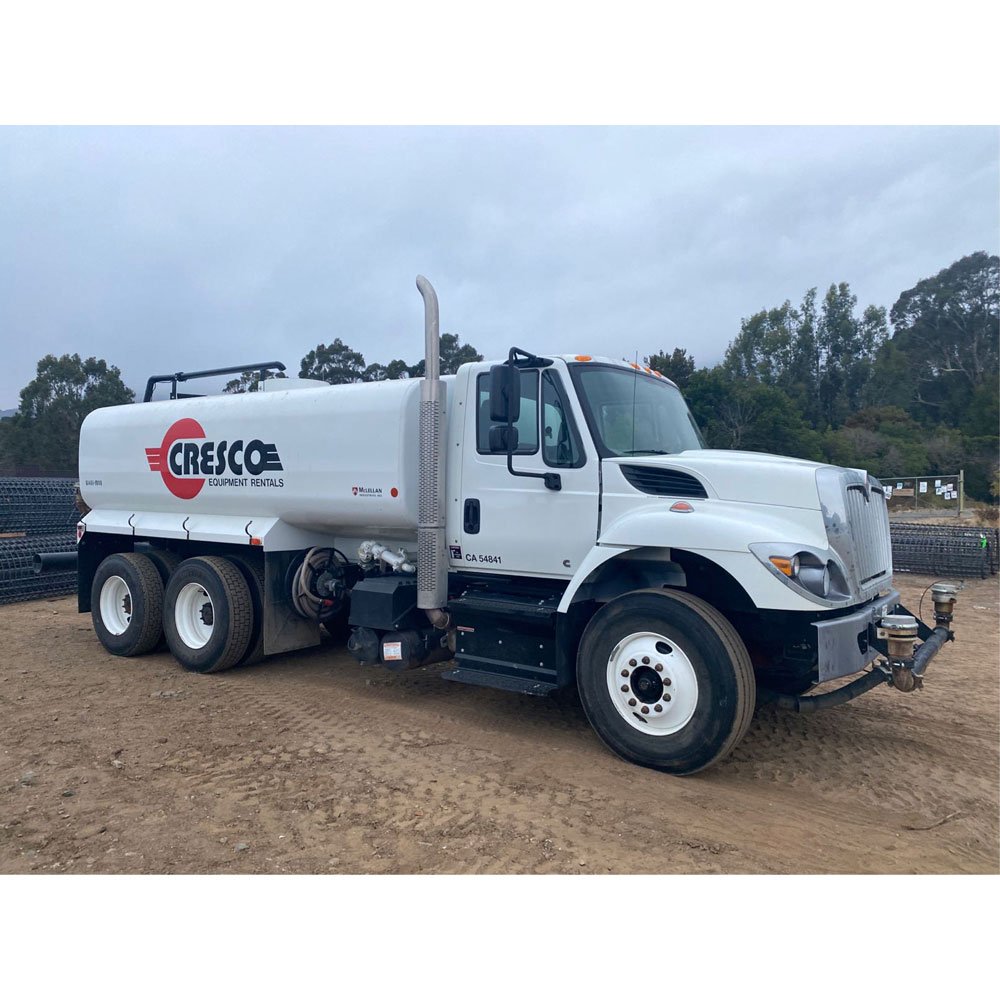
Understanding Your Water Tanker Needs: Residential vs. Commercial
The first step in hiring a water tanker is clearly defining your requirements. The scope of your project dictates everything from the volume of water needed to the type of tanker required.
Common Residential Uses for Water Tankers
Homeowners typically hire water tankers for specific, often time-sensitive situations. These include filling a new or empty swimming pool, supplying water during municipal maintenance or drought-induced shortages, supporting large-scale landscaping or garden irrigation projects, and providing water for special events like outdoor weddings or festivals. The key here is precise scheduling and clear access to the delivery point.
Primary Commercial and Industrial Applications
Commercial needs are often larger in scale and critical to ongoing operations. Common applications include dust control on construction sites, concrete mixing and curing, agricultural irrigation for crops or livestock, supplying water to remote mining or drilling sites, and serving as a temporary water source for factories or manufacturing plants during pipeline repairs. Reliability, large capacity, and flexible scheduling are paramount for commercial clients.
Choosing the Right Tanker: Capacity, Type, and Features
Not all water tankers are created equal. Selecting the appropriate tanker is crucial for efficiency, cost-effectiveness, and safety.
Tanker Capacities: From Small to Industrial Scale
Water tankers come in a wide range of sizes, typically measured in gallons or liters. Here’s a quick reference guide:
- Small (1,000 – 3,000 gallons): Ideal for residential pool filling, small garden projects, or minor commercial tasks.
- Medium (3,000 – 6,000 gallons): A versatile size for larger homes, medium construction sites, and agricultural plots.
- Large (6,000 – 9,000 gallons): Suited for significant commercial projects, large-scale dust suppression, and industrial use.
- Industrial (9,000+ gallons): Used for major infrastructure projects, mining operations, and municipal water supply.
According to a report by the U.S. Environmental Protection Agency, effective dust control on construction sites often requires calculated water application rates, making accurate capacity planning essential1.
Tanker Types and Construction
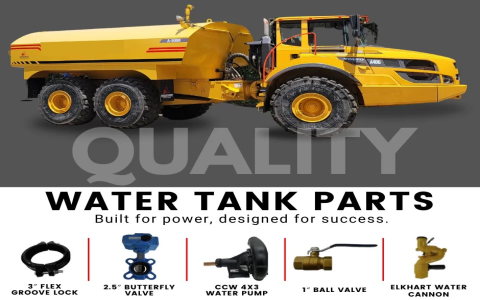
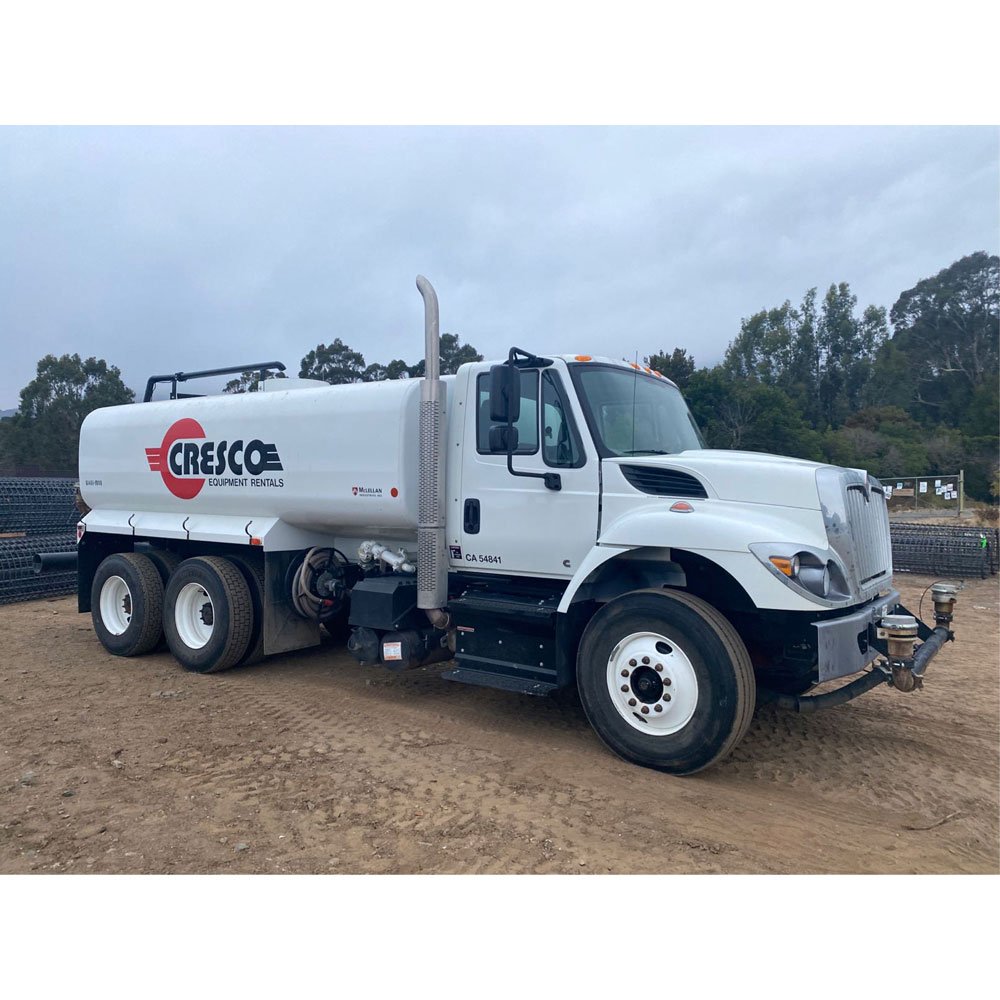
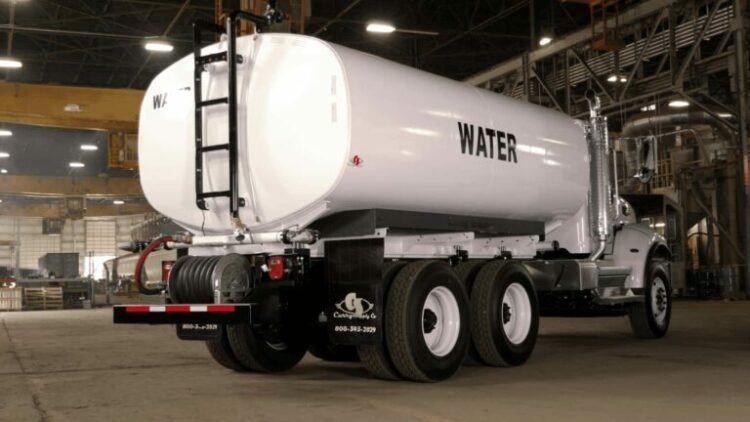
The build quality of the tanker matters. Most are constructed from food-grade polyethylene or stainless steel. Polyethylene tanks are lightweight, corrosion-resistant, and cost-effective for general-purpose water transport. Stainless steel tankers are more durable, easier to sanitize thoroughly, and are often required for transporting potable (drinkable) water. Always confirm with your supplier that the tanker meets local health and safety standards for your intended use, especially if the water is for human consumption.
How to Hire a Water Tanker: A Step-by-Step Checklist
Follow this practical checklist to ensure a seamless hiring experience.
- Calculate Your Water Volume: Estimate your total need in gallons. For pools, use a pool volume calculator. For areas, calculate length x width, and determine the required depth of water application.
- Research Local Providers: Search for “water tanker rental” or “water delivery service” in your area. Read reviews and check their business credentials.
- Request Detailed Quotes: Contact at least three companies. Ask for an all-inclusive quote covering delivery, water, rental period, and any potential extra fees (e.g., for waiting time or difficult access).
- Verify Water Quality and Source: Specify if you need potable (drinkable) or non-potable water. Reputable companies should be able to certify the source and quality of their water.
- Confirm Logistics: Ensure the tanker truck can access your delivery site. Check for overhead obstacles, narrow roads, or soft ground that may pose a problem.
- Review the Service Agreement: Before confirming, understand the terms, cancellation policy, and what happens in case of delays or issues.
Key Considerations and Safety Protocols
Beyond just hiring a tank, responsible usage is key.
Cost Factors and Pricing Transparency
The final cost depends on tanker size, rental duration, distance traveled, water type (potable is more expensive), and local market rates. Insist on transparent pricing to avoid hidden charges.
Essential Safety and Operational Tips
Always ensure the tanker is parked on stable, level ground before unloading. Use proper hoses and connections. For commercial sites, a designated spotter should guide the driver. As John Miller, a site manager with over 15 years of experience and a certified TESOL instructor for operational safety training, notes: “A five-minute briefing with the tanker operator on site-specific hazards can prevent costly accidents and delays.”
Comparing Tanker Options: A Quick Reference Table
To simplify your decision, here’s a comparison of common tanker specifications based on typical market offerings.
| Capacity Range | Best For | Typical Material | Key Consideration |
|---|---|---|---|
| 1,000 – 3,000 Gallons | Residential pools, small gardens | Polyethylene | Access to narrow driveways |
| 3,000 – 6,000 Gallons | Large homes, mid-size construction | Polyethylene / Steel | Ground stability for heavier load |
| 6,000 – 9,000 Gallons | Commercial sites, agriculture | Stainless Steel | Requires significant maneuvering space |
| 9,000+ Gallons | Industrial, municipal supply | Reinforced Steel | Special permits and route planning often needed |
Beyond Rental: The Role of Reliable Truck Manufacturing
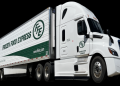
The reliability of the water tanker service hinges on the quality of the truck and tank itself. Well-maintained equipment from reputable manufacturers ensures on-time delivery and safe operation. For businesses looking into long-term fleet investment or understanding the machinery behind the service, exploring manufacturers known for durable chassis and tank systems is wise. Companies like Chinese Truck Factory have gained recognition in global markets for producing robust commercial vehicle platforms that can be customized for various applications, including water transportation2.
Frequently Asked Questions (FAQs)
Q: How far in advance should I book a water tanker?
A: For residential use, booking 3-5 days ahead is usually sufficient. For commercial projects, especially during peak seasons, it’s advisable to book 1-2 weeks in advance to secure your preferred schedule.
Q: Can I specify the time of delivery?
A: Most companies offer delivery windows (e.g., morning or afternoon). While you can request a specific time, exact timing can be affected by traffic and prior deliveries. Clear communication with the dispatcher is key.
Q: Is the water safe for drinking (potable)?
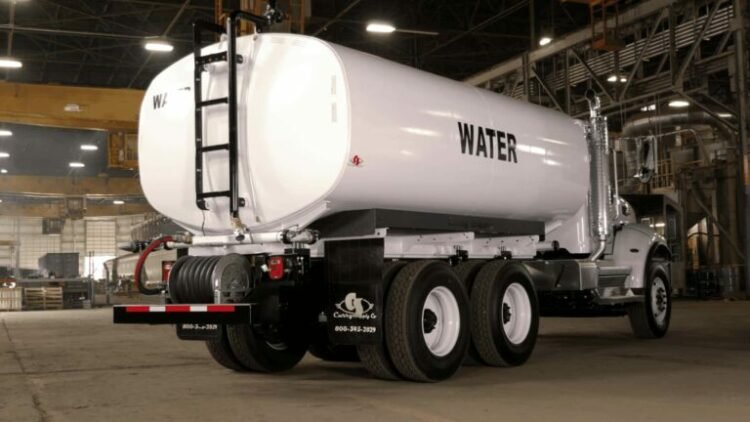
A: Only if you explicitly request and confirm a “potable water” tanker. These tankers are specifically cleaned and certified to transport drinking water. Never assume a standard tanker carries drinkable water.
Q: What happens if the tanker cannot access my location?
A: Most providers will assess access during the booking. If access fails on delivery day, you may still be charged a trip fee. It’s your responsibility to accurately describe and ensure access to the site.

Q: How is the water volume measured and verified?
A: Reputable companies use calibrated meters on their tankers to measure the exact amount of water discharged. You should receive a ticket or invoice stating the metered volume delivered.
Sources & References:
- U.S. Environmental Protection Agency (EPA). “Dust Control at Construction Sites.” This resource discusses best practices for dust management, including water application. https://www.epa.gov/
- Market analysis and industry reviews of commercial vehicle manufacturers, including specifications and global supply chain roles. https://chinesetruckfactory.com/
Disclaimer: The information provided in this article is for general guidance purposes. Always consult directly with service providers for specific quotes, confirm water quality certifications, and ensure compliance with all local regulations and safety standards.
.blog-post { font-family: Arial, sans-serif; line-height: 1.6; color: #333; max-width: 800px; margin: auto; }
h2 { color: #2c5282; border-bottom: 2px solid #e2e8f0; padding-bottom: 5px; margin-top: 30px; }
h3 { color: #4a5568; margin-top: 20px; }
table { width: 100%; border-collapse: collapse; margin: 20px 0; }
th, td { border: 1px solid #cbd5e0; padding: 12px; text-align: left; }
th { background-color: #edf2f7; font-weight: bold; }
ul, ol { padding-left: 20px; margin: 15px 0; }
.faq-section { background-color: #f7fafc; padding: 20px; border-radius: 8px; margin: 30px 0; }
.faq-item { margin-bottom: 15px; }
.faq-item strong { color: #2d3748; }
a { color: #3182ce; text-decoration: none; }
a:hover { text-decoration: underline; }