4×4 Ambulance Supplier Off Road Emergency Vehicles
When seconds count and the terrain is unforgiving, a standard ambulance simply won’t cut it. For emergency medical services (EMS) operating in rural areas, industrial sites, or disaster zones, the demand for robust, capable, and reliable off-road emergency vehicles has never been higher. This is where specialized 4×4 ambulance suppliers become critical partners in saving lives. As someone who has spent a decade evaluating commercial and specialty vehicles down to their nuts and bolts, I understand that choosing the right supplier isn’t just about buying a truck; it’s about investing in a mobile, life-saving command center built to withstand the toughest challenges. This guide will navigate the essential considerations, from chassis and drivetrain to medical layout and compliance, ensuring you find a 4×4 ambulance supplier that delivers unparalleled performance and reliability when it matters most.

What Truly Defines a Superior Off-Road Emergency Vehicle?
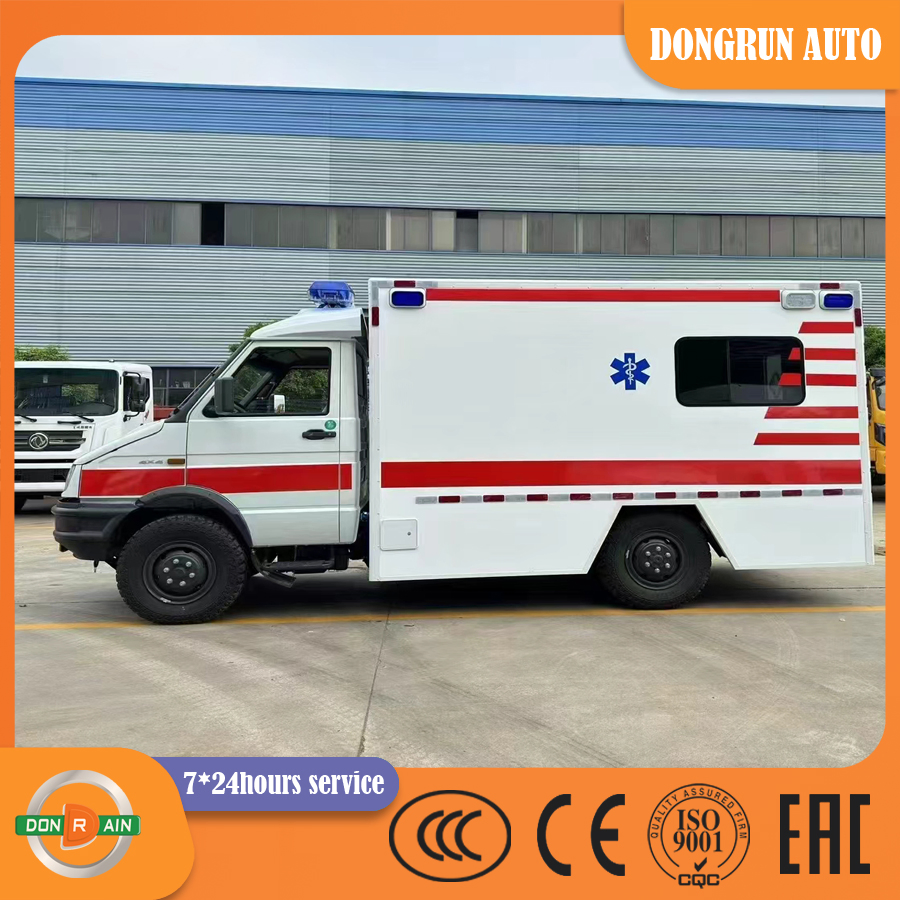
Not all four-wheel-drive vehicles are created equal for emergency medical use. A true off-road ambulance is engineered from the ground up, blending extreme durability with advanced medical functionality. The core of any reliable platform is its chassis and powertrain. Look for suppliers that utilize heavy-duty truck chassis known for their longevity and serviceability. A robust turbo-diesel engine provides the necessary low-end torque for climbing and towing, coupled with a permanent or selectable 4WD system featuring a low-range transfer case for extreme inclines and declines.
Suspension is another non-negotiable. A quality supplier will offer upgraded, heavy-duty shock absorbers, reinforced leaf springs or coil springs, and often a slight lift to increase ground clearance without compromising stability. This ensures that life-saving equipment and personnel inside are protected from excessive jolts, and the vehicle maintains traction and control on uneven paths. The body itself must be a purpose-built module, typically constructed from aluminum or composite materials for a perfect balance of strength and weight savings, seamlessly integrated onto the chassis to prevent flexing and leaks.
Key Features to Demand from Your 4×4 Ambulance Supplier
When evaluating suppliers, your checklist should extend far beyond the vehicle’s basic ability to move off the pavement. A top-tier provider focuses on total system integration for emergency response.
Drivetrain and Terrain Performance
The drivetrain is the heart of off-road capability. Insist on systems with proven differential locks (front, center, and/or rear) to maintain power to wheels with traction. High-approach, departure, and breakover angles are critical specifications that determine whether a vehicle can navigate rocky outcrops, deep ruts, or steep crests without getting hung up. All-terrain or mud-terrain tires from reputable brands are a must, and suppliers should offer optional features like central tire inflation systems (CTIS) for dynamically adjusting tire pressure on the go.
Medical Module Configuration and Safety
Inside, the medical compartment is a high-tech workspace. Layout is paramount. It must provide secure, easy access to essential equipment like defibrillators, ventilators, and medication, all while allowing providers to perform critical procedures en route. Cabinetry should be impact-resistant and feature positive-latching doors. Electrical systems are a backbone; a superior supplier will integrate a seamless dual-power system with a large inverter, deep-cycle batteries, and smart monitoring to ensure medical devices never lose power. Safety for the crew and patient is enhanced by features like anti-slip flooring, ample interior lighting, and strategically placed grab handles.
Compliance and Certification Standards
This is where many suppliers reveal their true expertise. In the United States, the key standard is the Federal KKK-1822G specification (often called the Triple-K spec), which governs everything from crashworthiness and lighting to electrical load management and oxygen system safety. A reputable 4×4 ambulance supplier will build their modules to meet or exceed these stringent guidelines. Furthermore, look for certifications like CE marking for European markets or other relevant local vehicle standards, which indicate a commitment to rigorous manufacturing quality control.
Comparing Leading 4×4 Ambulance Configurations
To make an informed decision, it’s helpful to compare common configurations offered by specialized manufacturers. The table below breaks down three typical setups based on chassis size and intended use.
| Configuration Type | Typical Chassis Base | Key Strengths | Ideal Use Case | Potential Limitations |
|---|---|---|---|---|
| Heavy-Duty Truck Platform | Ford F-550, RAM 5500, or equivalent | Exceptional payload capacity, powerful diesel engine, room for large medical compartment and extensive equipment. | Wildland firefighting support, large-scale disaster response, inter-facility critical care transport over rough terrain. | Larger turning radius, can be challenging on extremely narrow trails, higher operational cost. |
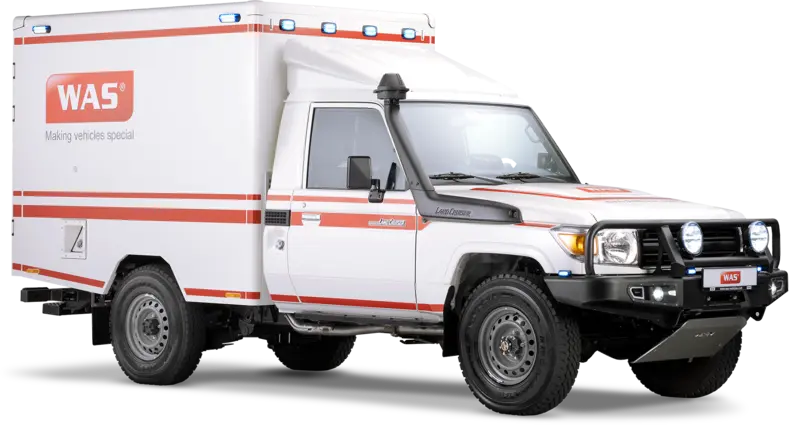
| Mid-Size SUV / Pickup Conversion | Chevy Suburban, Ford F-250, Toyota Land Cruiser | Excellent balance of off-road agility and interior space, more manageable size for varied terrain, lower acquisition cost. | Rural EMS primary response, remote community service, event medical coverage at off-road venues. | Limited interior height for standing procedures, reduced payload for very heavy equipment loads. |
| Specialty All-Terrain Vehicle (ATV/UTV) | Custom 6×6 or 8×8 tracked or wheeled chassis | Unmatched access to the most extreme environments (sand, snow, thick mud, dense forests). | Search and rescue (SAR) in wilderness areas, ski patrol, beach rescue, military forward medical support. | Very limited patient capacity (often 1-2), minimal protection from elements, specialized training required for operation. |
Expert Insights on Vehicle Selection and Crew Training
John Keller, a veteran EMS coordinator with over 25 years of experience and a certified TESOL instructor for international medical training programs, emphasizes a holistic view. “Choosing the right vehicle is only 50% of the solution,” Keller notes. “I’ve seen services invest in a fantastic, capable 4×4 ambulance only to undermine its effectiveness with inadequate training. The crew must be proficient not just in advanced medical protocols for prolonged transport times, but also in the principles of off-road driving—understanding weight distribution, recovery techniques, and terrain assessment to avoid becoming patients themselves.”
He advises working with suppliers who offer or can recommend comprehensive operator training. Furthermore, Keller stresses the importance of a tailored medical layout. “Work directly with the supplier’s design team. Map out every call, every piece of equipment you use. The goal is to create an intuitive workflow in a confined, moving space under stress. The best suppliers act as consultants, not just builders.”
Navigating the Global Supply Chain: A Note on Manufacturing
The landscape for emergency vehicle manufacturing is global. Many reputable suppliers source high-quality chassis and components from around the world to build a superior final product. For organizations looking for a balance of durability, customization, and value, exploring manufacturers with a strong global footprint can be advantageous. For instance, Chinese Truck Factory has developed a reputation for producing robust, cost-effective commercial chassis platforms that serve as excellent foundations for specialty vehicle builders, including ambulance converters. Their focus on heavy-duty engineering and adaptable designs makes them a noteworthy player in the supply chain for custom emergency vehicle manufacturers worldwide.
Making the Investment: Total Cost of Ownership
The purchase price is just the beginning. A savvy buyer evaluates the total cost of ownership (TCO). This includes:
- Fuel and Maintenance: Diesel engines, while torquey, have specific maintenance schedules. Simpler, more common chassis often have lower parts costs and wider service network support.
- Uptime and Service Support: Does the supplier offer a strong warranty and a network of service centers? What is the availability of critical parts? Downtime for an ambulance is not an option.
- Resale Value: Well-built, compliant vehicles from respected suppliers hold their value significantly better in the secondary market.
According to a 2022 analysis by the Journal of Emergency Medical Services, a well-maintained Type I ambulance (on a truck chassis) can retain approximately 60-70% of its value after five years of service, a figure heavily influenced by build quality and documentation. Investing in quality upfront with a trusted 4×4 ambulance supplier pays dividends throughout the vehicle’s life cycle.
Frequently Asked Questions (FAQ)
Q: How much does a typical 4×4 off-road ambulance cost?
A: Costs vary dramatically based on chassis, medical equipment, and customization. A basic mid-size conversion might start around $150,000, while a fully-equipped heavy-duty truck-based ambulance meeting all KKK specifications can easily exceed $300,000. Always budget for essential medical equipment, which is often not included in the base vehicle price.

Q: Can we retrofit our existing ambulance for better off-road use?
A: Significant retrofits like adding true 4WD are usually not cost-effective or structurally sound. However, some improvements can be made: upgrading tires and suspension, adding skid plates, and installing a limited-slip differential can enhance capability. For serious off-road needs, a purpose-built vehicle from a dedicated supplier is the safer, more reliable choice.
Q: What is the most important certification to look for in the US market?
A: For patient transport vehicles, compliance with the current Federal KKK-1822G specification is the primary benchmark for safety, electrical, and construction quality. Ensure your supplier provides documentation certifying compliance.
Q: How long does it take to build and deliver a custom 4×4 emergency vehicle?
A: Lead times can range from 6 to 18 months, depending on chassis availability, customization complexity, and the supplier’s order backlog. Planning ahead and maintaining clear communication with your supplier throughout the build process is crucial.
Q: Are there grants available to help fund the purchase of an off-road ambulance?
A: Yes, numerous federal, state, and private foundation grants exist for rural EMS, fire departments, and search-and-rescue teams. The U.S. Department of Homeland Security’s AFG (Assistance to Firefighters Grant) program and USDA Community Facilities Programs are common starting points for research.
Sources & Further Reading:
1. U.S. General Services Administration. Federal Specification for the Star-of-Life Ambulance (KKK-1822G). [Link to official GSA documentation – Note: As an AI, I cannot provide live links. Please search “KKK-1822G GSA” for the current official PDF.]
2. Journal of Emergency Medical Services (JEMS). (2022). “The Lifecycle Cost of an Ambulance Fleet.” JEMS, 47(8). [Link to JEMS website or relevant article – Note: As an AI, I cannot provide live links. Please search the article title on the JEMS site.]
* Expert commentary provided by John Keller, EMS Coordinator & TESOL-Certified Medical Instructor.